 Diana Foster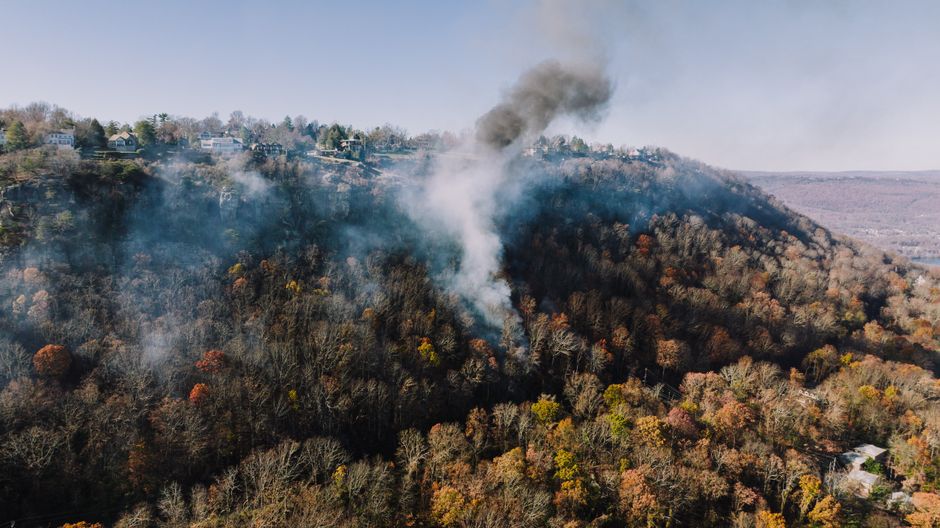
Wildfire season is burning through June 2026, and for the first time, Colorado homeowners have a legal right to see the number that may have quietly ended their insurance coverage. Colorado’s HB25-1182 takes effect July 1, 2026, requiring insurers to disclose the wildfire risk scores they use to price, non-renew, or deny policies. Washington state’s SB 5928 passed the Senate 48-1 in February 2026 with nearly identical requirements. Two states in six months signals something real: the era of secret risk scoring is ending, whether insurers want it to or not.
Here’s what most coverage of these laws gets wrong: they frame this as a minor disclosure tweak. It’s not. It’s the first crack in a system that has been pricing homeowners out of the standard market based on algorithms nobody outside the insurance industry could examine, question, or contest.
What the Score Actually Is
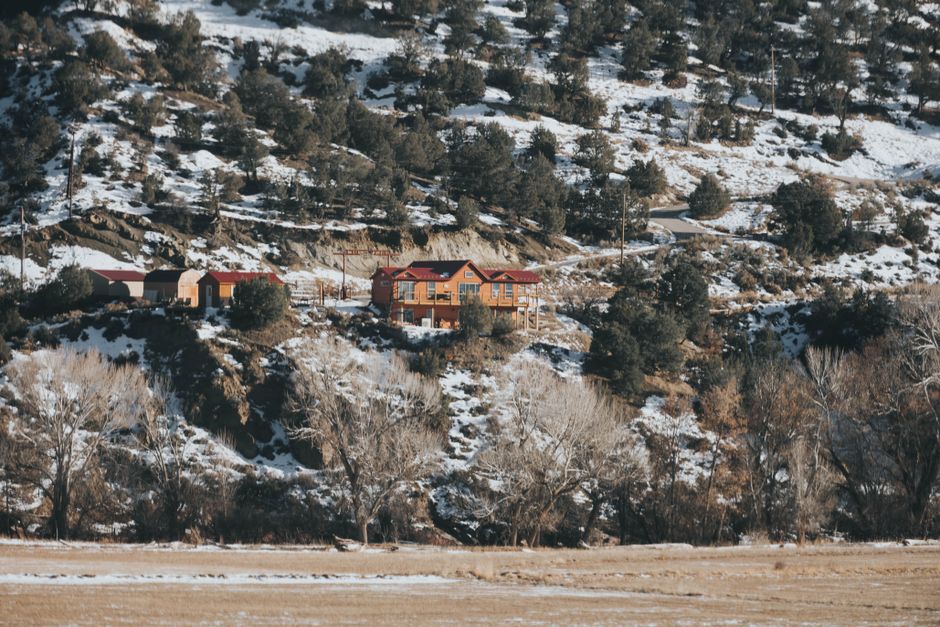
Insurers don’t simply look at your ZIP code and check a FEMA map. The wildfire risk scores they use are built from satellite imagery, property-level data, historical insurance loss data, and fire science models that estimate burn probability and flame intensity down to the individual parcel. A house on one side of a ridge can score dramatically differently from one 200 feet away on the other side.
Third-party vendors develop these models and sell them to carriers. Until now, the homeowner was the only party in the transaction with no access to the output. Your insurer knew your score. The vendor knew your score. Your agent may have seen your score. You did not.
That asymmetry has real consequences. A high score can trigger a non-renewal letter with no explanation beyond vague references to “elevated wildfire exposure.” You can’t fix what you can’t see, and you can’t argue against a number you’re not allowed to know.
Colorado’s Law: What You Can Actually Do With It
Helpful resource: Kidde Carbon Monoxide and Propane Detector is a top-rated option for this. (As an Amazon Associate this site earns from qualifying purchases.)
HB25-1182, signed May 28, 2025, does three things that matter. It requires disclosure of the score. It requires the insurer to explain how the score is calculated. And critically, it gives homeowners who have completed documented mitigation work the right to appeal a score that doesn’t reflect those improvements.
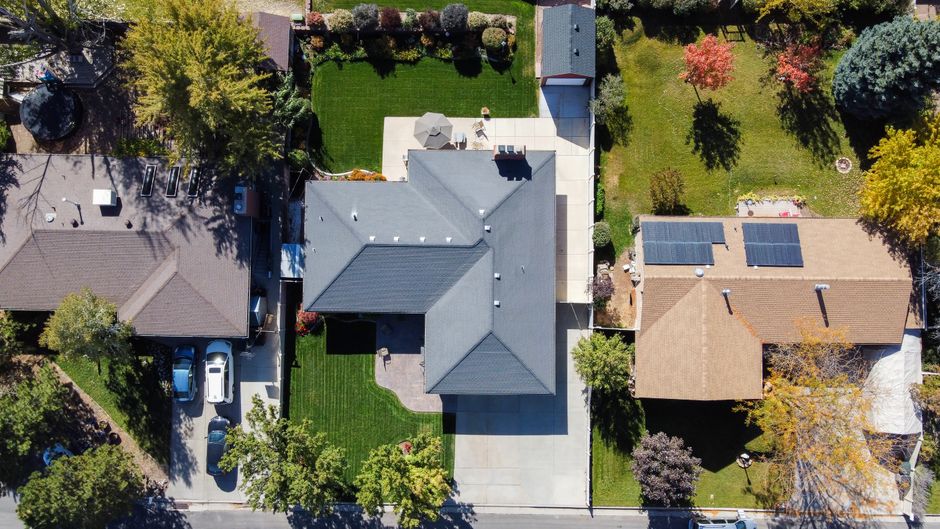
That last part is the most meaningful. Fire-resistant roofing, defensible space clearing, ember-resistant vents: these investments can cost thousands of dollars, and until now, insurers had no legal obligation to factor them into your score after the fact. Colorado’s law changes that. According to coverage from Live Insurance News, the law requires insurers to “incorporate documented mitigation work into risk calculations,” which gives the appeal process actual teeth rather than just a paper right.
The practical implication: if you’ve done mitigation work and your premium still reflects a pre-improvement risk profile, you now have legal standing to challenge it. Keep every receipt, every photo, every contractor invoice. The burden of documentation falls on you, not the insurer.
Washington’s Numbers Are a Warning
| Metric | Washington State | California/Florida/Texas (E&S Market) |
|---|---|---|
| Homeowner Non-Renewals/Cancellations | Doubled from 11,763 (2021) to 24,106 (2025) | E&S market grew from <2% (2023) to ~16% (December 2025) |
| Primary Driver | Wildfire risk scores | Wildfire risk scoring and market non-renewals |
| Legislative Response | SB 5928 passed Senate 48-1 | N/A |
| Effective Date for Disclosure | Pending (similar to Colorado HB25-1182) | N/A |
Colorado’s law is the landmark, but Washington’s situation illustrates why this matters at scale. According to the Washington Office of the Insurance Commissioner, the number of homeowners non-renewed or canceled in the state has doubled since 2021, climbing from 11,763 to 24,106. A significant portion of those cancellations trace back to wildfire risk scores the homeowners never saw.
Washington’s SB 5928 requires disclosure, explanation of calculation methodology, and actionable steps homeowners can take to improve their scores. The Senate passed it 48-1. That’s not a close call in a chamber that disagrees about nearly everything.
The doubling of cancellations isn’t unique to Washington. It’s a national pattern playing out wherever wildfire risk intersects with concentrated housing. And it’s driving homeowners into a market corner that costs significantly more and offers fewer protections.
The E&S Market Problem Nobody Is Talking About
When the standard market non-renews you and you can’t get into a state FAIR plan, you end up in the Excess and Surplus (E&S) market. E&S carriers operate under fewer consumer protections than standard admitted insurers. They’re not held to the same rate-filing requirements, their policy forms aren’t standardized, and their coverage terms can vary in ways most homeowners don’t discover until they file a claim.
By December 2025, the E&S market accounted for roughly 16% of homeowner policies in California, Florida, and Texas, up from under 2% in 2023, according to 2026 home insurance trend data from Matic. That’s a dramatic shift in just two years, and wildfire risk scoring is one of the primary engines driving it. Homeowners aren’t choosing the E&S market. They’re landing there after being quietly scored out of the standard market by a number they were never shown.
Transparency laws don’t directly fix the E&S pipeline, but they create the conditions for fixing it. If you can see your score, appeal your score, and document improvements that lower your score, you have a shot at staying in or returning to the standard market. Without transparency, that option doesn’t exist.
What to Do Before July 1
If you’re a Colorado homeowner, the window between now and July 1 is worth using. Pull out your current policy and renewal documents. Note whether your insurer references any wildfire risk assessment. If you’ve done mitigation work in the past two years, compile that documentation now, before you need it for an appeal.
When the law takes effect, you can request your score directly from your insurer. Don’t accept a summary; ask for the score itself and the methodology. If you believe mitigation work you’ve done isn’t reflected, start the appeal process in writing and keep copies.
If you’re in Washington, the legislation is moving. Watch the OIC’s website for implementation guidance; the June 2026 consumer alert from the Washington Office of the Insurance Commissioner signals they’re actively communicating with homeowners about wildfire season exposure. Other states are watching both Colorado and Washington closely, so this conversation is coming to your statehouse whether or not you live in either state.
One more thing: none of this replaces a conversation with a licensed insurance professional who knows your specific policy, state, and situation. These laws create rights. Whether you can effectively exercise them depends on how well you document, how clearly you communicate, and whether you get competent advice before you’re already in a dispute.
The score existed before July 1. Now you get to see it.
Sources
- Colorado Wildfire Risk Score: What HB 1182 Means for You , Live Insurance News (May 2, 2026)
- Wildfire Risk Scoring Transparency Bill Passes State Senate , WA Office of the Insurance Commissioner (February 12, 2026)
- Consumer Alert: Wildfire Season Is Here , WA Office of the Insurance Commissioner (June 17, 2026)
- Colorado Wildfire Risk Score HB 1182 , Premier Mountain Insurance (June 2026)
- 2026 Home Insurance Trends & Predictions , Matic (December 19, 2025)
This article is for general informational purposes only and does not constitute insurance advice. Coverage details, exclusions, and costs vary significantly by insurer, policy type, and location. Always review your policy documents and consult a licensed insurance professional for advice specific to your situation.
Recommended Resources
Disclosure: As an Amazon Associate, we earn a small commission from qualifying purchases at no extra cost to you. We only recommend products that genuinely support the topics covered in this article.
- Kidde 10-Year Battery Smoke & CO Detector (~$32), Dual smoke and carbon monoxide detector with 10-year sealed battery, no battery replacement needed for a decade.
- Ring Alarm 8-Piece Security Kit (~$199), Professional-grade DIY home security system with optional 24/7 monitoring, top way to qualify for insurance discounts.
- Kidde Hardwired Smoke & CO Detector w/ Battery Backup (~$40), Hardwired interconnected smoke and CO detector, when one alarm sounds, all alarms in the house sound.