 Mark Thompson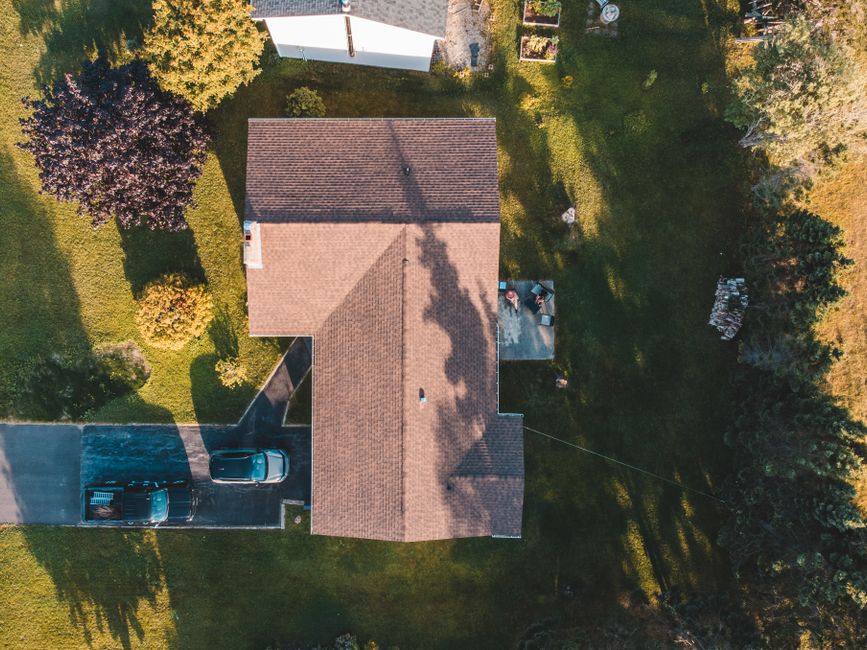
Most homeowners assume that if something’s wrong with their property, someone will knock on their door first. Maybe an adjuster shows up, walks the roof, takes some notes. That’s how it used to work. What’s actually happening right now, heading into the second half of 2026, is something most policyholders have no idea about: your insurer may have already reviewed aerial photos of your home, run them through an AI algorithm, and quietly flagged you for non-renewal, all without sending a single person to your property or telling you it was happening.
This isn’t a hypothetical. NPR/KUT reported in May 2025 that at least five Texas carriers had filed with the state confirming they use third-party aerial photos and AI analysis for underwriting decisions, with homeowners only finding out when the cancellation notice showed up in the mail. No warning. No inspection. Just a letter.
The reason this is the defining consumer-rights fight in home insurance right now is that the legal framework around this practice is only just beginning to catch up.
The Technology Got Way Ahead of the Regulation
I’ll be honest, when I was reviewing claims in the 2010s, aerial imagery was something we occasionally used to verify a roof after a storm. It was supplemental. What surprised me was how completely the industry flipped that around. The imagery is now often the primary trigger for underwriting action, and the AI doing the analysis doesn’t always get it right.
Homeowners have reported non-renewals citing overhanging branches classified as structural hazards, and shadows that an AI algorithm misread as actual damage, according to reporting from AgencyHeight in March 2026. Those are not edge cases. That’s a fundamental accuracy problem with a system that carries real financial consequences for real people.
Meanwhile, insurers are simultaneously moving away from ZIP-code-level pricing toward property-specific risk scoring built on aggregated aerial data. Openly’s mid-year outlook from July 2026 flags this shift as accelerating, which means more homeowners will encounter it for the first time at their next renewal, often without realizing the rules have changed.
What the New Laws Actually Require (and Where They Apply)
Helpful resource: Ring Video Doorbell 4 with Motion Detection is a top-rated option for this. (As an Amazon Associate this site earns from qualifying purchases.)
The clearest breakthrough so far is a new law that took effect July 1, 2026. According to Nearmap’s state regulation tracker, updated May 14, 2026, insurers issuing non-renewals based on aerial imagery must now provide date-stamped photos taken within the past 12 months, a formal appeals process, and a minimum 60-day remediation window before they can drop coverage.
That’s real protection, but only in states where it applies. The landscape is fragmented right now. Here’s where things actually stand:
| State/Region | Current Aerial Imagery Rule |
|---|---|
| States with July 1, 2026 law | Date-stamped photos required, 12-month imagery cap, 60-day remediation window, formal appeals |
| Colorado, Georgia, Kentucky | Already cap imagery age at 12 months for underwriting decisions |
| New York (proposed, May 2026) | Would ban adverse decisions on images older than 180 days; insurer must provide copies within 30 days of request |
| California (proposed) | Limits aerial photos as sole reason for non-renewal |
| Texas (reported 2025) | No disclosure requirement confirmed at time of reporting; carriers using AI with no prior notice to homeowners |
| Most other states | No specific aerial imagery regulation in place |
The New York bill, introduced in May 2026 and covered by PIA Northeast, would actually set some of the stricter standards in the country if it passes, specifically the 180-day imagery cap and the mandatory 30-day turnaround for providing copies to policyholders. Whether it clears the legislature is still an open question.
What “Non-Renewal” Actually Means for You
A lot of people conflate non-renewal with cancellation, and the distinction matters. Cancellation mid-term is heavily regulated. Non-renewal, where your insurer simply declines to offer you another policy at the end of your term, has historically given carriers more flexibility. That’s the gap that aerial imagery programs have been sliding through.
If you’re in a state without the new protections, your insurer can, right now, review satellite or drone photos from a third-party vendor, feed them into an AI scoring system, and decide not to renew your policy. They’ll typically send a non-renewal notice within whatever the state-mandated notice period requires, which is often 30 to 60 days. That notice may or may not tell you what triggered the decision.
The practical problem is timing. If you’re in a non-renewal situation and you don’t know why, you’re scrambling to find replacement coverage at exactly the moment when your file has just been flagged by one carrier. Surplus lines markets and higher premiums often follow.
How to Actually Push Back
The research is genuinely encouraging here. Successful appeals using roof documentation and contractor certifications have reversed aerial-image-based non-renewals, according to AgencyHeight’s March 2026 analysis. That means the AI decision isn’t final, and documentation is your lever.
A few things worth doing right now, regardless of your state:
Start by requesting your policy file from your insurer, specifically asking whether any third-party aerial imagery or AI-based property assessment tools have been used in your underwriting. You have the right to ask. Whether they’re currently required to tell you is the part that varies by state.
If you get a non-renewal notice and the reason is vague, ask for specifics in writing. In states with the July 2026 protections, you have a legal right to the date-stamped photos. Even where you don’t have that right yet, some carriers will provide documentation if asked directly, especially if you have an agent advocating for you.
If the imagery was wrong, document it yourself. A licensed roofing contractor’s written assessment, dated photos of the actual condition, and receipts for any work done are the kinds of materials that have gotten decisions reversed. The 60-day remediation window in the new law exists precisely because regulators recognized that legitimate issues flagged by imagery might be fixable, and homeowners deserve the chance to fix them.
One thing I’d caution against: don’t assume your state has these protections without checking. The regulation map is changing fast and unevenly. If you’re in Texas, for example, the NPR/KUT reporting suggests you may have limited disclosure rights right now. Check with your state department of insurance directly, or consult an independent insurance agent who knows your state’s current rules.
The broader shift here, from neighborhood-level risk assessment to individual property scoring driven by AI, isn’t going away. Insurers have a legitimate interest in accurate property data, and some of what aerial analysis catches is real. But “the AI flagged it” is not an adequate explanation when someone loses their insurance. The consumer-protection conversation is finally catching up to the technology, and the next 12 months of state-level legislation will shape how much recourse homeowners actually have.
Sources
- Insurance companies using aerial imagery to determine if they’ll renew home coverage (May 28, 2025)
- Insurance Regulations by State (Aerial Imagery) , Nearmap (May 14, 2026)
- N.Y.: Bill Would Set Standards for Use of Aerial Imagery in Homeowners Insurance , PIA Northeast (May 6, 2026)
- Homeowners Insurance Non-Renewal 2026: What To Do Now , AgencyHeight (March 25, 2026)
- 2026 Home Insurance Trends: Mid-Year Outlook , Openly (July 2026)
- Can Your Insurance Company Drop You From a Drone Photo? , The Zebra (November 5, 2025)
This article is for general informational purposes only and does not constitute insurance advice. Coverage details, exclusions, and costs vary significantly by insurer, policy type, and location. Always review your policy documents and consult a licensed insurance professional for advice specific to your situation.
Recommended Resources
Disclosure: As an Amazon Associate, we earn a small commission from qualifying purchases at no extra cost to you. We only recommend products that genuinely support the topics covered in this article.
- Kidde 10-Year Battery Smoke & CO Detector (~$32), Dual smoke and carbon monoxide detector with 10-year sealed battery, no battery replacement needed for a decade.
- Ring Alarm 8-Piece Security Kit (~$199), Professional-grade DIY home security system with optional 24/7 monitoring, top way to qualify for insurance discounts.