 Carl Brooks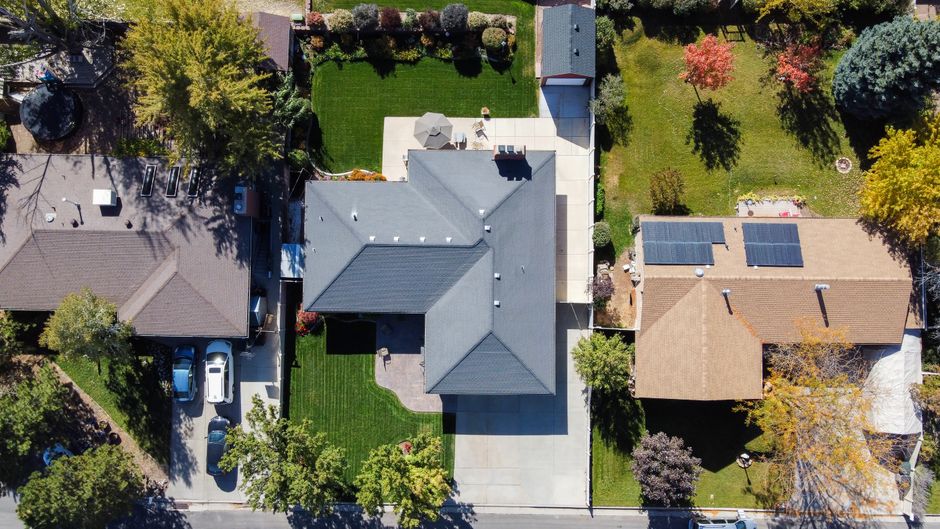
Somewhere between your last renewal and this one, an algorithm looked down at your roof from orbit, flagged something it didn’t like, and sent your insurer a report. You never met an inspector. Nobody knocked. And now you have 30 days to find new coverage.
This is not a hypothetical. It’s the dominant underwriting story of 2026, and it’s happening faster than regulators can respond.
Insurers have been using aerial and satellite imagery for years, but the AI layer is what changed everything. Carriers can now run entire books of business through automated image analysis, flagging roofs, overhanging trees, and poolside structures at scale, without deploying a single human inspector. Travelers is among the major carriers that have standardized the practice. The volume shows in the numbers: Insurance.com’s May 2026 survey of 1,500 homeowners found that 11% reported a policy cancellation in 2026, up from 7% in 2025. That’s a 57% year-over-year jump in reported cancellations. Something is clearly accelerating.
The Technology Is Admitted to Be Less Accurate Than a Human. Insurers Use It Anyway.
Here’s the part that should make you angry. Technology vendors supplying this AI analysis have acknowledged that remote inspections are less accurate than in-person ones. That acknowledgment hasn’t slowed adoption. The business case is obvious: one human inspector visiting one home costs time and money. Running satellite imagery through an algorithm costs fractions of a cent per property.
The accuracy problem is not theoretical. The Texas Department of Insurance has received complaints from at least a dozen homeowners since 2023 over aerial-photo-based non-renewals. One documented case, reported by NPR/KUT in May 2025, involved an insurer demanding roof replacement based on imagery of the wrong house entirely. The algorithm flagged damage. The damage was on a different building. The homeowner still had to fight to keep their policy.
Shadows get misread as damage. Tarps from a previous repair, patched years ago, look like active deterioration. A branch photographed in late fall looks more menacing than the same branch in July. None of this context reaches the model.
What Policyholders Don’t Know Could Cost Them
Helpful resource: Arlo Pro 4 Wireless Security Camera System is a top-rated option for this. (As an Amazon Associate this site earns from qualifying purchases.)
Most homeowners have no idea this is happening until they get a non-renewal notice. Insurers are generally not required to show you the images, explain the scoring model, or give you a meaningful chance to respond with current evidence. That information asymmetry is the core of the fight now playing out in state capitals.
The comparison below shows where things currently stand across the states leading this debate:
| State | Current Status | Key Requirement or Proposal |
|---|---|---|
| New York | Pending legislation (S.9156) | Images must be no older than 180 days; insurer must share images within 30 days; in-person reinspection option required |
| California | Proposed limits | Aerial photos cannot be the sole basis for a non-renewal |
| Colorado | Law effective July 2026 | Insurers must share risk scores and reasoning with policyholders |
| Texas | Regulatory pressure only | No specific law; complaints logged with state insurance department |
New York’s bill, sponsored by Sen. Andrew Gounardes and covered by PIA Northeast in May 2026, is the most detailed proposal in the country right now. The 180-day image age limit matters a lot: a roof photographed after a hailstorm, before repairs were completed, tells a very different story than the same roof six months later. Requiring insurers to use current imagery, or at least disclose old imagery so you can contest it, is a modest ask that the industry has resisted.
Colorado’s law, effective this month, takes a different angle. It doesn’t restrict the use of aerial imagery directly, but requiring risk score disclosure and explanation is a foothold. You can’t challenge a black box. Once you know the score and the factors, you have something to work with.
What You Can Actually Do Right Now
Legislation is slow. Your renewal date isn’t. If you’re in a state without meaningful protection yet, the leverage has to come from you.
First, get ahead of it. Request your current insurer’s underwriting file. Some states require they provide it; others don’t, but asking costs nothing and sometimes works. What you want to know: has any imagery been used in your risk evaluation, and if so, what does it show? Agency Height’s March 2026 reporting on non-renewals documents that many homeowners only learn aerial imagery was a factor after they’ve already been dropped.
Second, document your own property now, before any notice arrives. Date-stamped photos of your roof, gutters, and any overhanging trees create a contemporaneous record you can use in an appeal. If your insurer sends a non-renewal and the basis is a satellite image from 18 months ago showing a branch that no longer exists, your photos are evidence.
Third, if you receive a non-renewal, ask specifically about the imagery used. In Colorado you’re now entitled to the risk score breakdown. In New York, if S.9156 passes, you’d be entitled to the images themselves. Everywhere else, ask anyway and document that you asked. Some carriers, under regulatory pressure, will share more than they’re legally required to.
Finally, consult an independent insurance agent, not a captive agent for your current carrier, before you shop replacement coverage. The non-renewal itself can affect what’s available to you and at what price. Getting accurate advice from someone with no stake in a particular carrier matters here more than most people realize.
The Industry’s Actual Argument, And Where It Breaks Down
Insurers make a reasonable-sounding case: aerial imagery lets them price risk accurately, which keeps premiums lower for everyone and prevents them from insuring homes they’d otherwise be blind to. There’s some truth in that. A carrier that doesn’t know your roof is 22 years old and curling at the edges can’t price the risk properly.
The breakdown comes in the error rate and the process. If AI analysis were as accurate as a human inspector, the “wrong house” problem in Texas wouldn’t exist. And even accurate risk identification doesn’t justify a process where you have no notice, no access to the evidence, and no meaningful right to respond before your policy ends. That’s not underwriting. That’s a one-sided proceeding.
The legislative push in New York and the regulatory pressure in California and Texas exist because the industry didn’t self-correct. When the only check on a non-renewal is the homeowner’s ability to find someone else willing to write the policy, the system is working for the insurer, not the policyholder.
Consulting a licensed insurance professional or consumer advocate in your state before a renewal or after any adverse action is worth your time. State insurance departments also have consumer complaint processes that, while slow, create a paper trail regulators do notice.
The satellite isn’t going away. What changes is whether you have any rights once it’s looked down at your house and made up its mind.
Sources
- Homeowners Insurance Non-Renewal 2026: What To Do Now (March 25, 2026)
- N.Y.: Bill Would Set Standards for Use of Aerial Imagery in Homeowners Insurance (May 6, 2026)
- 2026 Home Insurance Trends: Mid-Year Outlook (June/July 2026)
- 2026 Home Insurance Trends: Fewer Rate Shocks, More Confidence, and Limited Cost-Driven Cancellations (May 15, 2026)
- Insurance Companies Using Aerial Imagery to Determine If They’ll Renew Home Coverage (May 28, 2025)
- Changes Coming to Home and Auto Insurance in 2026 (January 14, 2026)
This article is for general informational purposes only and does not constitute insurance advice. Coverage details, exclusions, and costs vary significantly by insurer, policy type, and location. Always review your policy documents and consult a licensed insurance professional for advice specific to your situation.
Recommended Resources
Disclosure: As an Amazon Associate, we earn a small commission from qualifying purchases at no extra cost to you. We only recommend products that genuinely support the topics covered in this article.
- Kidde 10-Year Battery Smoke & CO Detector (~$32), Dual smoke and carbon monoxide detector with 10-year sealed battery, no battery replacement needed for a decade.
- Ring Alarm 8-Piece Security Kit (~$199), Professional-grade DIY home security system with optional 24/7 monitoring, top way to qualify for insurance discounts.