 Carl Brooks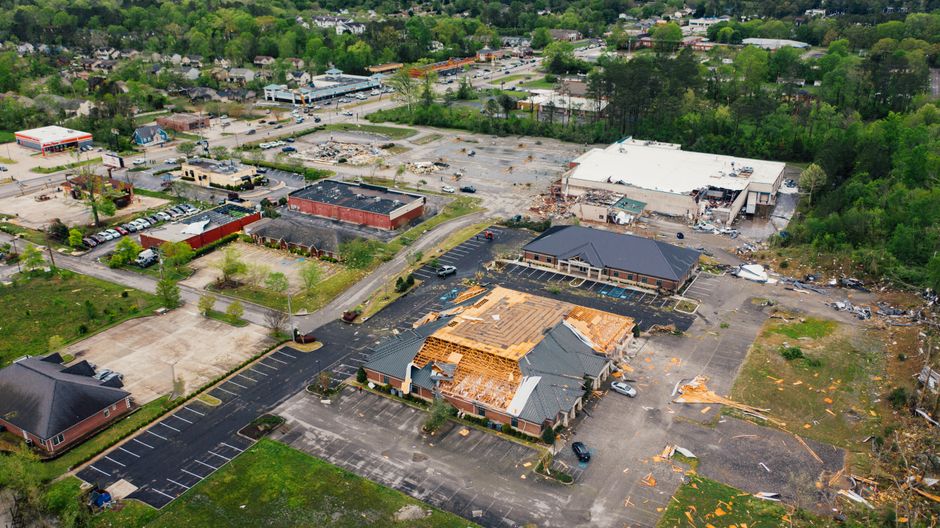
If you own a home in the Midwest or Great Plains right now, your insurance renewal notice is probably sitting on your kitchen counter looking like a typo. It’s not. Colorado homeowners have watched their premiums more than double since 2020, a 100.8% cumulative increase that leads every state in the country, according to LendingTree’s State of Home Insurance 2026 report published in June. Iowa is right behind at 96%. Minnesota at 88.2%. And while coastal hurricane risk has dominated the national conversation about insurance affordability for years, what’s actually happening in the middle of the country is, in some ways, a bigger story right now.
I’ll be honest: when I first saw those numbers, I assumed there was a Florida effect lurking somewhere in the methodology. There wasn’t. What LendingTree found, and what Insurify confirmed in its March 2026 analysis, is that severe convective storms, meaning tornadoes, hail, and straight-line wind events, caused more than $52 billion in insured losses in 2025 alone. That’s the third-highest annual total on record. Insurers don’t price for what happened last decade. They price for what they think will happen next year, and right now their models are telling them the interior of the country is a very expensive place to write policies.
What surprised me was the Illinois data specifically. The state’s rates are up 68% since 2020, per Live Insurance News reporting from July 2026, and 2026 isn’t done making the problem worse. Illinois has already recorded 161 confirmed tornadoes this year, a record pace that’s still climbing as of this summer. That’s not a weather anomaly insurers can write off as a bad year. That’s a trend that re-prices every home in the state.
- Colorado home insurance premiums rose 100.8% from 2020 to 2025, the steepest increase of any state.
- Severe convective storms caused $52 billion in insured losses in 2025, the third-highest total ever recorded.
- Oklahoma now carries the highest average annual premium in the U.S. at $5,298, 121% above the national average.
- Illinois recorded 161 confirmed tornadoes in 2026 already, driving continued rate pressure.
- Nationally, premiums are up 46.8% since 2020 and projected to hit $3,057 by end of 2026.
The States Where This Hurts Most Right Now
The premium levels in some of these states are genuinely alarming when you put them side by side. Oklahoma now holds the unwelcome distinction of the highest average annual home insurance rate in the country at $5,298, which is 121% above the national average, according to LendingTree’s June 2026 report. Nebraska sits at $4,956 and is facing back-to-back years of punishing increases: 25% in 2025 followed by a projected 13% more in 2026. The 2025 Nebraska storm season included a system that produced softball-sized hail, and that kind of loss event doesn’t disappear quietly. It shows up in every renewal in the surrounding region for years.
The national average itself tells the broader story. Premiums are up a cumulative 46.8% since 2020 and are projected to reach $3,057 by the end of 2026, marking five consecutive years of increases. That’s not a correction. That’s a structural repricing.
| State | Cumulative premium increase (2020-2025) | Avg annual premium (2026) |
|---|---|---|
| Colorado | +100.8% | $4,310 |
| Iowa | +96.0% | Not disclosed |
| Minnesota | +88.2% | Not disclosed |
| Illinois | +68.0% | Not disclosed |
| Nebraska | +25% in 2025 alone | $4,956 |
| Oklahoma | Not ranked in top risers | $5,298 |
| National | +46.8% | $3,057 |
Why Convective Storm Risk Changed the Math
Helpful resource: Blink Mini Indoor Security Camera 2-Pack is a top-rated option for this. (As an Amazon Associate this site earns from qualifying purchases.)
Insurers have known about tornado and hail risk in the Midwest for decades, obviously. So why is 2026 feeling different? The answer isn’t just frequency. It’s frequency combined with severity combined with rebuilding costs that are still elevated from post-pandemic supply chain disruption. A hail event that would have generated a $15,000 roof claim in 2018 might generate a $24,000 claim today for the same house. When you layer record storm counts on top of inflated replacement costs, you get loss ratios that force underwriters to act fast.
Reinsurance pricing is the other piece that doesn’t get talked about enough in mainstream coverage. The big carriers don’t absorb all that risk themselves. They buy reinsurance, essentially insurance for insurers, and reinsurance rates for severe convective storm exposure have climbed sharply since 2022. When reinsurance gets more expensive, that cost travels downstream to your policy. It’s not a conspiracy. It’s math.
What the Coverage Gaps Actually Look Like
Here’s where my claims background makes me want to grab people by the shoulders. The rate increases get the headlines, but the coverage erosion happening alongside them is just as important. Insurers under margin pressure have been quietly raising deductibles, capping roof coverage, and switching from replacement cost to actual cash value on older roofs. A lot of Midwest homeowners don’t know their policy changed until they file a hail claim and find out their 14-year-old roof is worth $4,200 in actual cash value, not $18,000 to replace it.
Sub-limits on outbuildings, detached garages, and farm structures have also tightened in Nebraska and Oklahoma markets specifically. If you haven’t re-read your declarations page in the last 18 months, do it this week. Not later. This week.
What You Can Actually Do About It
I want to be clear that I can’t tell you what’s right for your specific situation, and talking to a licensed insurance professional who knows your state’s market is genuinely advisable here. But there are questions worth asking before you just pay the renewal.
First, ask your agent specifically whether your roof coverage is replacement cost or actual cash value, and what the age threshold is for the switch. Second, check whether your dwelling coverage limit has kept pace with local rebuilding costs. Many policies that were adequate in 2020 are now underinsured by 20 to 30 percent given contractor and materials costs. Third, if you’re in Nebraska, Colorado, or Oklahoma, ask whether a higher wind and hail deductible (typically 1% to 2% of dwelling value) would meaningfully lower your premium. The research here is mixed on whether that tradeoff makes sense long-term, but it’s worth modeling.
Comparison shopping has more value right now than it did five years ago because carriers are actively choosing which states and zip codes they want exposure in. Some are pulling back. Others are quietly pricing to win business in the same markets. The gap between the highest and lowest quote for identical coverage can be substantial.
The story unfolding across the Midwest this summer is one that won’t resolve quickly. When storm seasons run at record pace and rebuilding costs stay elevated, insurers respond by raising prices, tightening terms, or exiting markets entirely. The 2026 tornado data out of Illinois suggests we’re still in the early chapters of this pricing cycle, not the end of it. Knowing exactly what you’re covered for, and for how much, is the most useful thing you can do right now.
Sources
- LendingTree: State of Home Insurance 2026 (June 8, 2026)
- Quartz: States with the Biggest Home Insurance Rate Increases Since 2020 (July 21, 2026)
- Live Insurance News: Illinois Home Insurance Rates Up 68% Since 2020 (July 10, 2026)
- Insurify / Insurance Journal: US Home Insurance Prices Set to Keep Rising With Severe Weather (March 18, 2026)
- Newsweek: Map Reveals States Where Home Insurance Is Devouring Household Budgets (July 17, 2026)
Photo: K via Pexels
This article is for general informational purposes only and does not constitute insurance advice. Coverage details, exclusions, and costs vary significantly by insurer, policy type, and location. Always review your policy documents and consult a licensed insurance professional for advice specific to your situation.
Recommended Resources
Disclosure: As an Amazon Associate, we earn a small commission from qualifying purchases at no extra cost to you. We only recommend products that genuinely support the topics covered in this article.
- Kidde 10-Year Battery Smoke & CO Detector (~$32), Dual smoke and carbon monoxide detector with 10-year sealed battery, no battery replacement needed for a decade.
- Ring Alarm 8-Piece Security Kit (~$199), Professional-grade DIY home security system with optional 24/7 monitoring, top way to qualify for insurance discounts.