 Kevin Park
Most homeowners renew their insurance policy every year without reading it. They get the bill, they pay it, they move on. I did this myself for the first few years I owned my house, and I was working in claims at the time. That’s how easy it is to ignore.
Here’s the problem: your home’s risk profile changes dramatically across the seasons, and your policy almost certainly doesn’t adjust with it. The coverage that felt adequate in May can leave you genuinely exposed by December. Understanding that gap, and knowing how to close it before something goes wrong, is what this article is actually about.
Why seasons matter more than most agents will tell you
A standard homeowner’s policy reads like your house exists in some kind of permanent, weather-neutral bubble. It doesn’t. Winter brings frozen pipes and ice dams. Spring brings flooding and wind events. Summer means wildfire risk in many regions, plus the liability exposure of pools and guests. Fall is when you should be reviewing everything, but almost nobody does.
I spent 14 years reviewing claims at a national insurer. The seasonal patterns were so consistent I could almost predict our caseload by the calendar. January and February: frozen pipes and roof collapses from snow load. Late spring: water intrusion claims, usually from people who didn’t know sump pump failure typically isn’t covered under a standard policy. August and September in coastal states: hurricane season, with homeowners discovering their windstorm coverage had a separate deductible they’d never noticed.
The National Association of Insurance Commissioners (NAIC) has published consumer guidance noting that homeowners consistently underestimate how much their coverage needs change year to year. They’re right. Your insurer counts on you not noticing.
The coverage gaps that hide in plain sight
| Coverage Type | Typical Cost | Coverage Details |
|---|---|---|
| Water backup endorsement | $50-$150/year | Covers sump pump failure and basement flooding from heavy rain |
| Umbrella policy | $200-$300/year | Provides $1 million in additional liability coverage |
| Flood insurance (separate policy) | Varies by location and risk | Covers water from outside the house traveling along ground to enter home |
| Vacancy permit/seasonal rider | Varies by insurer | Maintains coverage during known vacant periods (30-60+ consecutive days) |
Let me be direct about a few things that catch people badly.
Flood insurance is never, ever included in a standard homeowner’s policy. Not even a little. Spring snowmelt flooding, a rainstorm that overwhelms your gutters, a backed-up storm drain that sends water into your basement: none of it is covered without a separate flood policy through the National Flood Insurance Program or a private insurer. I tell people to think of it this way: if the water came from outside the house and traveled along the ground to get in, a standard policy almost certainly won’t cover it.
Sump pump failure is a related trap. You can often add a water backup endorsement to your existing policy for somewhere in the range of $50 to $150 per year depending on your insurer and location. That endorsement covers you if your sump pump fails during a heavy rain and your basement floods. Without it, you’re paying for that cleanup yourself. It’s one of the cheapest valuable coverages available, and it’s wildly underused.
Ice dams are the winter version of the same problem. They form when heat escapes through your roof, melts snow, and the meltwater refreezes at the eaves. The water backs up and works under your shingles. Most policies cover the interior water damage that results. Almost none of them cover the ice dam removal or the roof damage caused by it. The IBHS home fortification guides go into real detail on how to prevent ice dams structurally, which is honestly a better investment than hoping your claim gets approved.
Seasonal vacancy is another big one people miss. If you leave for a warmer climate for three months in winter, or you own a vacation cabin that sits empty from October through April, many policies have a provision that reduces or eliminates coverage after the home has been vacant for 30 or 60 consecutive days. Read that language carefully. Some insurers offer a vacancy permit or seasonal rider that maintains coverage during known vacant periods. If you don’t ask, they won’t bring it up.
What a seasonal review should actually look like
Doing a real seasonal review isn’t complicated. It just requires some intentionality. I’d approach it twice a year: once in early fall before the policy renewal season, and once in late spring.
Pull out your declarations page first. That’s the one-page summary at the front of your policy that lists your coverage limits, deductibles, and any endorsements you’re carrying. Most people have never read it carefully.
Check your dwelling coverage limit against what it would actually cost to rebuild your home today, not what you paid for it. Construction costs have spiked significantly since 2020. According to some industry estimates, rebuilding costs per square foot in many markets are 30 to 40 percent higher than they were five years ago. If your dwelling limit hasn’t been updated, you may be significantly underinsured.
Look at your liability coverage. If you have a pool, trampoline, or if you’re hosting more people at your home during summer, a standard $100,000 liability limit is probably not enough. Most advisors suggest at least $300,000, and if you have significant assets, umbrella policies (which typically start around $200 to $300 per year for $1 million in additional coverage) are worth a serious look.
Ask specifically whether your policy includes ordinance or law coverage. This covers the additional cost of bringing your home up to current building codes during a rebuild. It’s often excluded by default and matters enormously after major damage.
One genuinely useful habit: keep a home inventory. A video walkthrough of your possessions, stored somewhere other than your house (cloud storage works fine), makes a claim dramatically easier and faster to resolve. There are dedicated apps for this. Encircle and similar tools make it reasonably painless. If technology isn’t your thing, a fire-resistant document safe can at least protect physical records and important documents.
While you’re at it, water leak sensors placed near your water heater, washing machine, and under sinks can catch a slow leak before it becomes a four-figure claim. Some insurers will actually discount your premium if you have smart home leak detection installed. Ask yours.
The question most people forget to ask
Every time you make an improvement to your home, your coverage should probably be updated. New roof, finished basement, added bathroom, major kitchen renovation: all of these increase the replacement value of your home and should be reflected in your dwelling coverage. I’ve seen claims where a homeowner spent $80,000 finishing their basement, never told their insurer, and then got a payout that didn’t come close to covering the loss because their coverage limits were set before that improvement existed.
Also worth asking: what is my deductible for wind and hail versus my standard deductible? In many coastal and storm-prone states, these are separate, and the wind/hail deductible is often expressed as a percentage of your home’s insured value, not a flat dollar amount. On a $400,000 home with a 2% wind deductible, you’re covering the first $8,000 of any wind claim yourself.
If reading this made you realize you haven’t actually looked at your declarations page in a few years, that’s the right place to start. Not with a phone call to your agent, not with a quote comparison tool. Just read what you’re actually paying for right now. You might be surprised by what’s there, and what’s missing.
Sources
- Encircle
- Kidde 10-Year Battery Smoke & CO Detector
- Ring Alarm 8-Piece Security Kit
- Certified Pet First Aid Kit with Guide Book
- EVERLIT 95-Piece Vet-Approved Pet First Aid Kit
Disclosure: As an Amazon Associate, we earn a small commission from qualifying purchases at no extra cost to you. We only recommend products that genuinely support the topics covered in this article.
- Kidde 10-Year Battery Smoke & CO Detector (~$32), Dual smoke and carbon monoxide detector with 10-year sealed battery, no battery replacement needed for a decade.
- Ring Alarm 8-Piece Security Kit (~$199), Professional-grade DIY home security system with optional 24/7 monitoring, top way to qualify for insurance discounts.
- Certified Pet First Aid Kit with Guide Book (~$22), Certified pet first aid kit with step-by-step instructions, an essential item for every pet owner.
- EVERLIT 95-Piece Vet-Approved Pet First Aid Kit (~$32), Vet-approved 95-piece kit for dogs and cats, covers cuts, burns, sprains, and emergencies until you can reach a vet.
This article is for general informational purposes only and does not constitute insurance advice. Coverage details, exclusions, and costs vary significantly by insurer, policy type, and location. Always review your policy documents and consult a licensed insurance professional for advice specific to your situation.
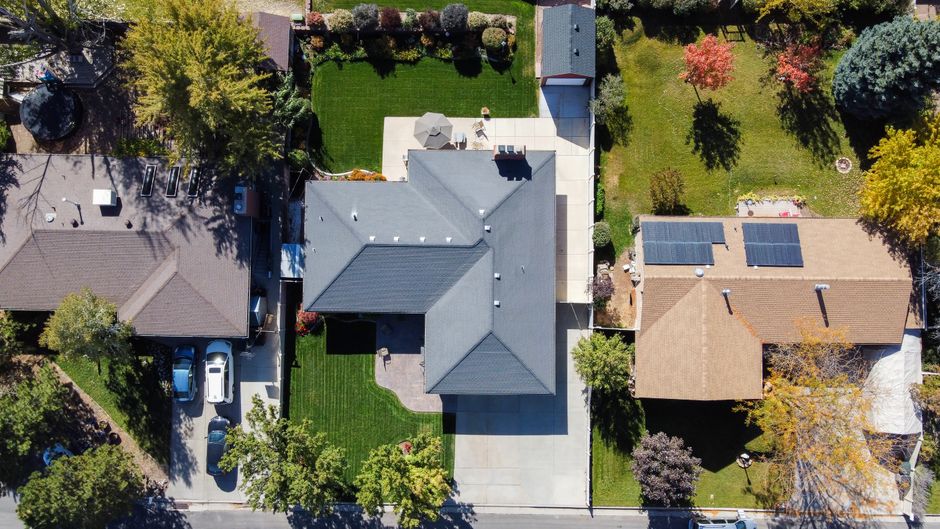
Photo: Serhii Bondarchuk via Pexels
Recommended Resources
Disclosure: As an Amazon Associate, we earn a small commission from qualifying purchases at no extra cost to you. We only recommend products that genuinely support the topics covered in this article.
- Kidde 10-Year Battery Smoke & CO Detector (~$32), Dual smoke and carbon monoxide detector with 10-year sealed battery, no battery replacement needed for a decade.
- Ring Alarm 8-Piece Security Kit (~$199), Professional-grade DIY home security system with optional 24/7 monitoring, top way to qualify for insurance discounts.