 Laura Martinez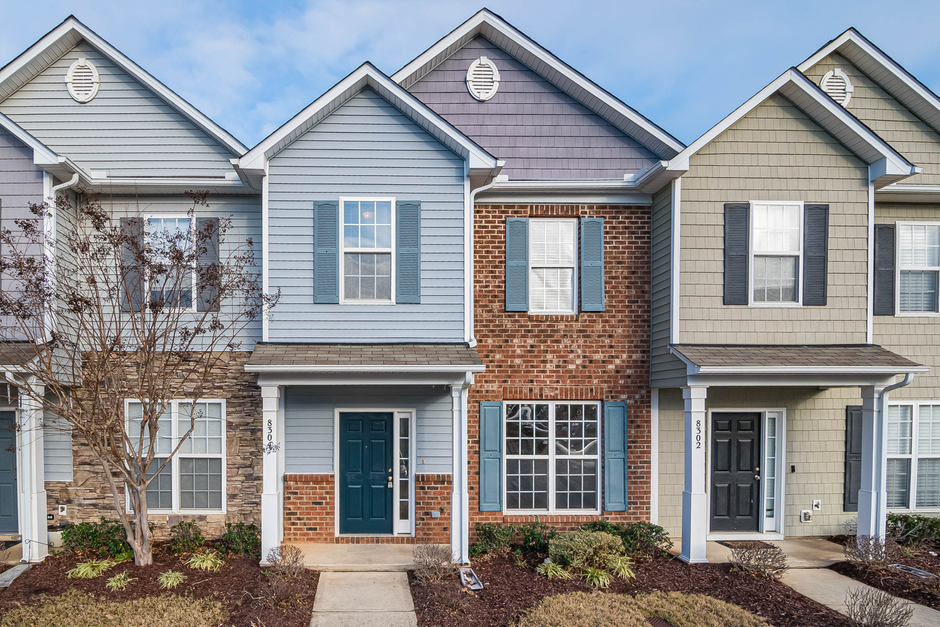
Most landlords I talked to over the years thought their homeowner’s policy covered their rental. Almost none of them were right.
That’s not a knock on landlords. The insurance industry doesn’t exactly go out of its way to explain the gap. Standard homeowner’s policies (HO-3 forms, which cover most American homes) are written specifically for owner-occupied dwellings. The moment you hand keys to a tenant, that coverage starts to wobble. In some cases, it disappears entirely on the date of the lease. I’ve seen claims denied on that basis, and watched people absorb losses that would have cost maybe $300 a year to protect against.
If you’re renting out a property right now, or thinking about it, here’s what you need to understand before something goes wrong.
- Standard homeowner's policies typically don't cover rental activity , you need a separate landlord or dwelling fire policy.
- Landlord policies cover the structure and your lost rental income, but NOT your tenant's belongings , they need renters insurance.
- Loss of rental income coverage usually pays 12-18 months of rent if the property becomes uninhabitable due to a covered event.
- Umbrella liability policies ($1M in coverage often runs $150-$300/year) are one of the highest-value add-ons for landlords.
- Short-term rentals (Airbnb, VRBO) require yet another layer of coverage , neither standard nor landlord policies fully cover them.
What a Landlord Policy Actually Covers
The product you want is called a dwelling fire policy, sometimes marketed as a “landlord policy.” It’s not glamorous naming, but it covers the right things. Specifically: the physical structure, any attached structures like a garage, certain appliances and fixtures you own (not your tenant’s stuff), and liability if someone gets hurt on the property.
Here’s what I tell people who are comparing this to their existing homeowner’s policy: the structural coverage is similar, but the liability section often looks different. Your homeowner’s policy is designed for premises you control day-to-day. A rental is different. You may not know there’s ice on the porch steps. Courts recognize that distinction, and so do insurers, which is why some landlord policies carry higher liability limits as a default.
The liability piece matters more than most landlords realize. A tenant trips on a loose step, breaks a wrist, and now you’re looking at medical bills plus a potential lawsuit. Basic liability coverage in a landlord policy typically starts at $100,000 per occurrence, but I’d strongly recommend pushing that to $300,000 minimum, and then stacking an umbrella policy on top. A $1 million personal umbrella policy typically runs somewhere in the $150-$300 range per year as of mid-2026. That math is almost always worth it.
One thing almost nobody tells you about landlord policies: they typically exclude tenant-caused damage beyond “sudden and accidental.” If your tenant lets a slow leak drip for eight months and your subfloor rots out, that’s often not covered. The insurer will call it maintenance neglect. Keep that in mind when you’re thinking about security deposits and tenant screening.
The Coverage Types Side by Side
Helpful resource: Kidde Carbon Monoxide and Propane Detector is a top-rated option for this. (As an Amazon Associate this site earns from qualifying purchases.)
Here’s how the main coverage options compare. This table reflects general industry ranges as of July 2026, not quotes from any specific insurer.
| Coverage Type | Best For | Avg. Annual Cost (per $250K dwelling) | Tenant Property Covered? | Loss of Rent Included? |
|---|---|---|---|---|
| Standard HO-3 (homeowner’s) | Owner-occupied only | $1,200-$1,800 | No | No (usually) |
| Dwelling Fire / Landlord Policy (DP-1) | Basic coverage, lower cost | $700-$1,100 | No | No |
| Dwelling Fire / Landlord Policy (DP-3) | Most landlords, best coverage | $900-$1,500 | No | Yes (typically) |
| Short-Term Rental Policy | Airbnb/VRBO hosts | $1,500-$3,000+ | Limited | Sometimes |
| Commercial Property Policy | Multi-unit buildings (5+ units) | Varies widely | No | Optional add-on |
A quick word on DP-1 vs. DP-3: the “1” form covers only named perils explicitly listed in the policy. The “3” form covers all perils except those explicitly excluded. That difference is enormous in practice. I’ve watched DP-1 claims get denied because the specific cause of damage wasn’t on the named list. For most landlords, DP-3 is worth the extra cost.
Lost Rental Income: The Coverage People Skip and Then Regret
Fair rental value coverage (sometimes called loss of rents or rental income coverage) is one of the most skipped and most regretted line items in a landlord policy. Here’s what it does: if your property becomes uninhabitable due to a covered event like a fire or major storm, it reimburses you for the rent you can’t collect while the property is being repaired.
Scenario: A kitchen fire in your rental causes $60,000 in structural damage. Repairs take nine months. Your tenant was paying $1,850/month. Without rental income coverage, you absorb $16,650 in lost income on top of whatever your deductible is. With it, your insurer cuts you a check each month.
Most DP-3 policies include this, but the limits vary a lot. Check whether your policy caps it at 10% of dwelling coverage (which would be $25,000 on a $250,000 policy) or whether it’s time-based (12 months, 18 months). Ask specifically: “Is this fair rental value or actual loss of rent?” Fair rental value can be calculated at market rates even if your tenant paid below-market rent. That distinction can mean a few hundred dollars a month in your favor.
Short-Term Rentals Are a Completely Different Animal
I cannot stress this enough. If you’re hosting on Airbnb or VRBO even occasionally, you need to have a real conversation with your insurer before your next guest checks in. Both platforms offer some host protection (Airbnb’s AirCover, for example), but those programs have serious gaps, and they don’t replace a proper insurance policy.
Here’s a real scenario I’ve heard variations of more times than I can count: Homeowner rents their place on Airbnb a few weekends a year. A guest causes a fire. Homeowner files a claim with their regular HO-3 carrier. Claim gets denied because the home was being used for commercial purposes at the time of the loss.
Some insurers now offer short-term rental endorsements you can add to a homeowner’s policy for $50-$150 per year. Others require a separate policy entirely. A few specialty insurers like Proper Insurance (which I don’t personally endorse, but it’s a legitimate option in the market) have built products specifically around this. Your state insurance department can help you compare options, and the NAIC’s state insurance department directory is a good place to start finding your state’s resources.
The honest truth is that this part of the market is still catching up to the sharing economy. Read any policy carefully before assuming you’re covered.
Requiring Renters Insurance Is Smart Risk Management
Your landlord policy doesn’t cover your tenant’s belongings. Their laptop, their furniture, their clothes, all of it is their responsibility. But here’s the thing many landlords miss: if a tenant’s belongings are damaged and they don’t have renters insurance, they may come after you anyway. A lawsuit alleging landlord negligence can be costly even if you eventually win.
Requiring renters insurance in your lease is one of the simplest, lowest-friction things you can do. A basic renters policy runs $15-$30 a month. Tenants can get them in ten minutes from dozens of carriers. You can even ask to be listed as an “interested party” on their policy so you get notified if it lapses.
Some landlord policies also include a “tenant damage” endorsement that covers intentional or careless damage by tenants beyond normal wear and tear. Not all policies offer this; you have to ask. It’s usually an add-on, and it typically comes with sublimits (often $10,000-$25,000). Worth knowing about before you find out the hard way.
For your own peace of mind, consider keeping a current home inventory of any appliances or fixtures you own at the rental. The IBHS home fortification and documentation guides have practical templates for this. A $30 document safe (like this one on Amazon, where the site may earn a commission) to store lease agreements and policy documents is a simple habit that pays off if you ever need to file a claim quickly.
Sources
- National Association of Insurance Commissioners (NAIC): Official resource for state insurance regulations, policy comparisons, and consumer complaint data.
- Insurance Information Institute (III): Industry statistics on dwelling fire policies, landlord coverage types, and claims data.
- Insurance Institute for Business & Home Safety (IBHS): Research-backed guidance on property protection, documentation practices, and fortification standards.
- Consumer Federation of America: Advocacy and analysis on insurance coverage gaps and consumer rights in property insurance.
Photo: Curtis Adams via Pexels
This article is for general informational purposes only and does not constitute insurance advice. Coverage details, exclusions, and costs vary significantly by insurer, policy type, and location. Always review your policy documents and consult a licensed insurance professional for advice specific to your situation.
Recommended Resources
Disclosure: As an Amazon Associate, we earn a small commission from qualifying purchases at no extra cost to you. We only recommend products that genuinely support the topics covered in this article.
- Kidde 10-Year Battery Smoke & CO Detector (~$32), Dual smoke and carbon monoxide detector with 10-year sealed battery, no battery replacement needed for a decade.
- Ring Alarm 8-Piece Security Kit (~$199), Professional-grade DIY home security system with optional 24/7 monitoring, top way to qualify for insurance discounts.