 Diana Foster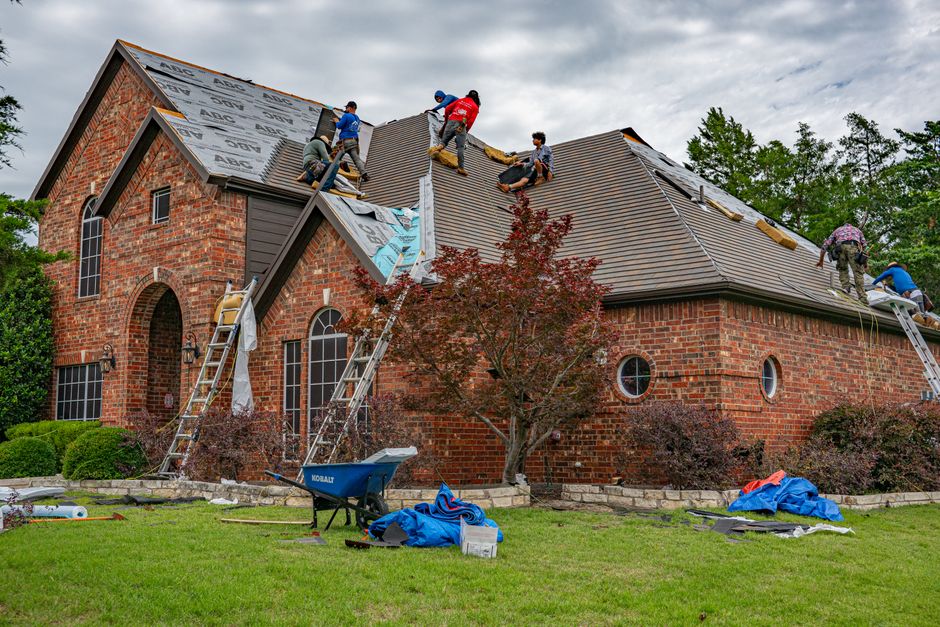
Up to 40%. That’s the discount figure I’ve seen tossed around in insurance marketing materials for new roofs, and I’ll be honest: when I was reviewing claims, I was skeptical every single time a policyholder brought it up expecting automatic savings. The reality is messier, more dependent on fine print, and in some states, a lot more valuable than even that headline number suggests.
I spent 14 years on the claims side watching roofs fail in ways that cost insurers serious money. Wind, hail, water intrusion from cracked flashing, ice dams in the Midwest. So I get why insurers care so much about your roof’s age and condition. A roof isn’t just one component of your home; it’s the single biggest factor in whether a claim turns into a $4,000 repair or a $95,000 rebuild. From an underwriting standpoint, a brand-new roof is legitimately lower risk. But whether that translates into a real discount on your premium? That depends on factors your insurer probably hasn’t explained clearly.
- New roof discounts range from 5% to 40% depending on insurer, state, and roofing material.
- Impact-resistant (Class 4) roofing can earn the largest discounts, often 20–40% in hail-prone states.
- Discounts are never automatic , you must notify your insurer and usually provide documentation.
- Some insurers switch from replacement cost to actual cash value on roofs over 10–15 years old, making a new roof even more financially important.
- The discount calculation is applied to the dwelling coverage portion of your premium, not the total bill.
What the numbers actually look like
The Insurance Information Institute notes that roof age and condition are among the top factors insurers use to price homeowner policies. That tracks with everything I saw internally. But the discount range varies wildly by carrier and by state.
Here’s what the landscape looks like in practice, based on industry data and my own experience reviewing policy schedules:
| Roofing Type | Typical Discount Range | Best Market |
|---|---|---|
| Standard asphalt (new, any class) | 5–15% | Nationwide |
| Class 3 impact-resistant asphalt | 10–20% | Tornado Alley, Southeast |
| Class 4 impact-resistant asphalt | 20–40% | Hail-prone states (TX, CO, KS) |
| Metal roofing (standing seam) | 15–30% | Florida, Gulf Coast, wildfire zones |
| Tile or slate (new) | 5–20% | Southwest, Southeast |
| Wood shake (new) | 0–5% (some carriers surcharge) | Limited markets |
The Class 4 impact-resistant discount is where things get genuinely interesting. Texas, Colorado, Kansas, and Nebraska have state-mandated discount requirements, which means insurers operating in those states are legally required to offer a discount for Class 4 rated roofing materials. In Colorado specifically, some carriers are offering discounts north of 30% on the dwelling premium for Class 4 installations, according to the Colorado Division of Insurance. That can translate to hundreds of dollars annually for a mid-sized home.
What surprised me was how many homeowners I’ve talked to since leaving the claims side who got a new roof and never saw their premium change at all. Not because the discount doesn’t exist. Because they never told their insurer.
The step nobody takes: actually claiming the discount
Helpful resource: Honeywell 1104 Fireproof and Waterproof Safe Box is a top-rated option for this. (As an Amazon Associate this site earns from qualifying purchases.)
Discounts are not retroactive and they are rarely automatic. When I was on the claims side, I’d pull policy histories and see roofs replaced two, three years prior with zero update in the underwriting file. The policyholder assumed their agent would find out somehow. They don’t. Or didn’t.
Here’s how to actually capture the discount:
First, get your roofing contractor to provide a completion certificate and, critically, a copy of the manufacturer’s certification for the shingle class. If you installed Class 4 material, you want documentation that uses those exact words: “UL 2218 Class 4 impact resistance.” That’s the certification standard underwriters are looking for. Don’t just say “impact resistant” on the phone with your agent; hand them the paper.
Second, submit a roof permit from your local building department. Many carriers require this, and I’ve seen claims complicated by the fact that work was done without a permit, which creates coverage ambiguity you don’t want.
Third, ask specifically about the discount in writing. Email your agent: “We replaced our roof on [date] with [material, Class X impact rating]. What discount does this qualify for, and when will it be reflected in my premium?” Get the answer in writing. If they say it’s already priced in and you’re skeptical, ask them to show you the before-and-after rating.
One detail only someone who’s been inside this process would know: some carriers send an inspection request after a roof claim or replacement. An inspector will photograph and note the install quality, valley flashing, ridge caps, and pipe boot conditions. If those look sloppy, the discount can be reduced or removed, even if the materials qualify. The quality of the installation matters as much as what was installed.
Where the real money is hiding: ACV vs. RCV
Pass the Homeowners Insurance Exam: Homeowner Coverages · Insurance Exam Queen on YouTube
I want to linger here because this is the coverage gap I saw cause genuine financial devastation to policyholders, and it doesn’t get nearly enough attention.
Many policies written today include a provision that covers your roof on an Actual Cash Value basis rather than Replacement Cost Value once the roof reaches a certain age (often 10 years, sometimes 15). The IBHS home fortification guides are a good reference here; they’re explicit about how material age affects both performance and insurability. Under ACV, your insurer depreciates the roof’s value. A 15-year-old roof that cost $18,000 to replace might only get you $6,000 in a claim payout after depreciation. You’re on the hook for the rest.
A new roof almost always resets your coverage to full replacement cost. That’s not just a discount; it’s a fundamental change in how your claim would be paid if something goes wrong. The premium discount gets the attention, but the RCV reset is often worth more over the policy’s life.
Scenario: A homeowner in suburban Dallas, 18-year-old roof, ACV endorsement in place. Hailstorm causes total loss. Roof replacement bid: $22,500. After depreciation, insurer pays $7,800. Homeowner is out $14,700 and furious.
Same homeowner, same storm, but they replaced the roof the previous spring: new Class 4 shingles, full RCV coverage restored, premium down ~28% ($1,340 annual savings). Claim pays full replacement cost. Net position after one year: ahead by over $16,000 on the claim alone, plus $1,340 in premium savings.
That’s not a hypothetical constructed to make a point. It’s a pattern I watched repeat itself dozens of times.
What to ask before you sign anything
Before you commit to a roofing contractor or assume you know what discount you’ll get, a few questions to put directly to your insurer (not your agent’s assistant, your actual underwriter if you can get to them):
Does my current policy have an ACV endorsement for the roof, and what age triggers it? If they say “I’ll have to check,” that’s a red flag that you should get your declarations page in front of you immediately.
Does your company offer a discount for Class 4 rated roofing materials, and is it mandatory in my state? This is particularly important in Texas, Colorado, and Kansas. The Insurance Information Institute maintains a state-by-state resource on mandatory discounts worth bookmarking.
Will my premium be re-rated mid-policy or only at renewal? Some carriers apply the new-roof discount immediately; others wait for the next renewal cycle, meaning you could pay a year at the higher rate.
One more thing worth knowing: if you’re replacing a roof after a claim, the clock for your new-roof discount may start from the date the permit is pulled, not the date the work was completed. A contractor who drags out the paperwork can cost you weeks of discount eligibility at renewal.
Practical tools that help
A proper home inventory, kept updated, is something insurers always tell you to do and almost no one does. Apps like Encircle or the NAIC’s free myHOME app let you document your roof replacement with photos, receipts, and contractor info in one place. Worth doing the day your roofers finish, before the job site gets cleaned up.
If you want an extra layer of protection against water intrusion from a failing roof before your next replacement, water leak sensors placed in attic spaces can catch problems early. (Disclosure: the site may earn a commission on purchases through that link.) Not a substitute for a good roof, but useful during those years when your roof is aging into the higher-risk zone.
Sources
- Insurance Information Institute (III): State-by-state homeowners insurance data, discount structures, and roof coverage guidance
- Insurance Institute for Business & Home Safety (IBHS): Fortification standards, material performance ratings, and roof installation quality research
- Colorado Division of Insurance: Class 4 roofing discount mandates and carrier compliance data, current as of July 2026
- UL 2218 Standard: Testing and classification methodology for impact-resistant roofing materials
- National Association of Insurance Commissioners (NAIC): Consumer guidance on ACV vs. RCV roof coverage provisions
Photo: Ryan Stephens via Pexels
This article is for general informational purposes only and does not constitute insurance advice. Coverage details, exclusions, and costs vary significantly by insurer, policy type, and location. Always review your policy documents and consult a licensed insurance professional for advice specific to your situation.
Recommended Resources
Disclosure: As an Amazon Associate, we earn a small commission from qualifying purchases at no extra cost to you. We only recommend products that genuinely support the topics covered in this article.
- Kidde 10-Year Battery Smoke & CO Detector (~$32), Dual smoke and carbon monoxide detector with 10-year sealed battery, no battery replacement needed for a decade.
- Ring Alarm 8-Piece Security Kit (~$199), Professional-grade DIY home security system with optional 24/7 monitoring, top way to qualify for insurance discounts.