 Mark Thompson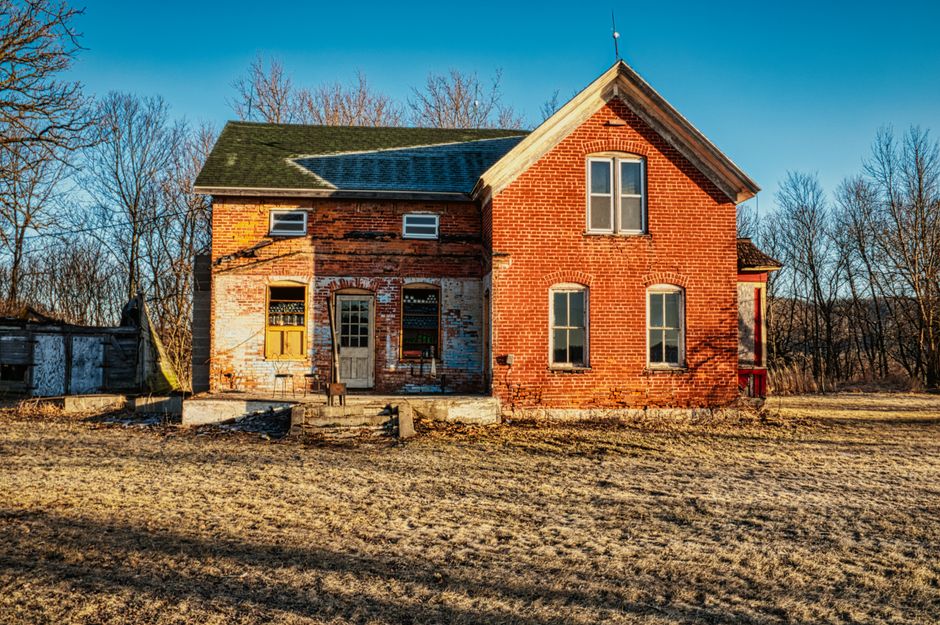
You buy a charming 1920s Craftsman bungalow, fall in love with the original hardwood floors and built-in cabinetry, and then your insurance renewal notice arrives with a premium that makes your stomach drop. Or worse: you file a claim after a pipe bursts and discover your policy pays only a fraction of the actual repair cost because of something buried in the fine print called “actual cash value.” This is one of the most common and painful surprises I saw during my 14 years reviewing claims, and it hits older home owners especially hard.
Homes built before 1980 present a genuinely different risk profile than new construction. The materials are different, the systems are different, and the way insurers price and limit coverage reflects that. Understanding those differences before you buy or renew a policy can save you thousands of dollars and a lot of heartbreak.
Why Older Homes Are Treated Differently by Insurers
Insurance companies aren’t being sentimental when they look at the year your home was built. They’re looking at probability, and the data tells a consistent story: older homes file more claims related to outdated systems, aged materials, and construction methods that don’t meet current building codes.
A home built in the 1950s likely has original wiring, original plumbing supply lines, and possibly an original roof deck under whatever surface material was added later. Each of those systems has a failure curve, and by a certain age, that curve bends upward sharply. Insurers use actuarial tables built on millions of claims to price this risk.
What this means practically:
- Higher base premiums than a comparable newer home
- Coverage exclusions for specific systems (knob-and-tube wiring is frequently excluded outright)
- Reduced settlement amounts if you don’t have replacement cost coverage
- Requirements to update certain systems before coverage is offered at all
The Insurance Information Institute (III) notes that older homes often cost more to repair or rebuild than newer ones because of specialty materials and labor, even when the market value of the home is modest. That gap between what it costs to repair and what a policy actually pays is where people get hurt.
The Four Systems That Will Define Your Coverage
| System | Common in Homes Built | Primary Risk | Coverage Impact |
|---|---|---|---|
| Knob-and-tube wiring | Before 1950 | Fire hazard | Often excluded or policy refused |
| Aluminum wiring | Mid-1960s to mid-1970s | Fire hazard | Often excluded or policy refused |
| Galvanized steel pipes | Pre-1980s | Interior corrosion, water damage | Coverage may be limited or excluded |
| Polybutylene pipes | 1978-1995 | Pipe failure | Frequently excluded from coverage |
| Asphalt shingle roof | 20+ years old | Weather damage, leaks | ACV payout only; separate deductible may apply |
| Oil furnaces / coal boilers | Pre-1980s | Fire, carbon monoxide | Elevated risk; may require upgrade for coverage |
When an underwriter looks at an older home, they’re really asking four questions. Get ahead of these before your insurer does.
Electrical systems. Knob-and-tube wiring (common in homes built before 1950) and aluminum wiring (common in homes built from the mid-1960s to mid-1970s) are two of the biggest red flags in the industry. Many insurers will refuse to write a policy, or will exclude fire coverage caused by those systems. Fuse boxes, rather than circuit breakers, are another concern. If your home has any of these, expect direct questions on your application and potentially a requirement to upgrade before coverage binds.
Plumbing. Original galvanized steel pipes corrode from the inside out. Polybutylene pipes, used widely from 1978 to 1995, have a well-documented failure history and are frequently excluded from coverage. Cast iron drain lines crack and collapse. If you don’t know what your pipes are made of, hire a plumber to look before you buy the home. I’ve seen too many buyers skip this step and pay for it later.
Roof. Age matters here more than almost anywhere else. Most insurers will either refuse to write coverage on a roof older than 20 years, reduce the payout to actual cash value rather than replacement cost, or add a separate roof deductible. A 25-year-old asphalt shingle roof that costs $18,000 to replace might have an actual cash value of $4,000. If your policy pays actual cash value only, that’s your check.
Heating systems. Old oil furnaces, coal-converted boilers, and wood-burning central systems carry elevated fire and carbon monoxide risks. If your home still has any of these as a primary heat source, you’ll want to disclose that on your application and ask directly how it affects your coverage.
Replacement Cost vs. Actual Cash Value: The Difference That Really Matters
Pass the Homeowners Insurance Exam: Homeowner Coverages · Insurance Exam Queen on YouTube
This is the single most important coverage concept for owners of older homes, and it’s the one most people don’t fully understand until they’re sitting across from a claims adjuster.
Replacement cost coverage pays what it actually costs to repair or rebuild your home with comparable materials at today’s prices. If your 1930s plaster walls are damaged, replacement cost coverage should pay for skilled plasterers and period-appropriate materials.
Actual cash value (ACV) pays replacement cost minus depreciation. For a 30-year-old roof or a vintage heating system, depreciation can be enormous. The insurer determines both the replacement cost and the depreciation percentage, and you often have limited ability to argue the numbers.
The problem for older home owners is that replacement cost coverage can be expensive and hard to get, for exactly the reason it’s valuable: these homes genuinely cost more to repair properly. Some insurers offer a middle option called “extended replacement cost” or “guaranteed replacement cost,” which adds a buffer, usually 20 to 50 percent, above your policy’s dwelling limit. For an older home with hard-to-source materials, that buffer can be the difference between a full rebuild and a check that leaves you short.
Ask your agent these directly:
- Is this policy replacement cost or actual cash value for the dwelling?
- Is there a separate provision for the roof, and if so, is the roof covered at ACV even if the rest of the home is at replacement cost?
- Does this policy include ordinance or law coverage?
That third question leads directly to the next part.
Ordinance and Law Coverage: The Gap Most People Don’t Know Exists
Here’s a scenario I watched play out many times: a family has an older home, a fire damages 40 percent of the structure, and the standard policy pays to repair exactly what was damaged. Except their local building code now requires updated electrical, insulation, and framing methods throughout any portion of the structure that’s opened up. The repair cost doubles. Their policy covers the damage. It doesn’t cover the code upgrade.
Ordinance and law coverage (sometimes called “building code coverage”) pays for the additional cost of bringing your home into compliance with current codes during a covered repair. The National Association of Insurance Commissioners (NAIC) has flagged this as a coverage gap that disproportionately affects owners of older homes, and for good reason. The older the home, the larger the gap between what it was built to and what current codes require.
This coverage is often not included in standard policies. It’s usually available as an endorsement (an add-on), and it’s almost always worth the additional premium for a home built before 1980. When you’re shopping or renewing, ask specifically for ordinance and law coverage at 10 percent, 25 percent, or 50 percent of your dwelling limit, depending on your home’s age and the extent of any deferred systems upgrades.
A Practical Checklist Before You Buy or Renew
Use this before signing anything. If you can’t answer a question, that’s a red flag.
Step 1: Document your home’s systems. Know the age and type of your electrical panel, wiring, plumbing supply lines, drain lines, roof (both the surface and the deck below), and HVAC. Pull permits if you can. If a previous owner upgraded anything, get documentation.
Step 2: Create a home inventory. Document the contents of every room with photos or video. A home inventory app makes this easier and stores the record off-site. Apps like Encircle sync to the cloud so your documentation survives the very disaster you’re preparing for. Keep physical receipts or appraisals for antiques, custom built-ins, and period fixtures.
Step 3: Get the insured dwelling value right. This is your coverage limit for the structure itself, and it should reflect rebuild cost, not market value. For an older home with custom millwork, plaster walls, and original hardwood floors, the rebuild cost per square foot can be significantly higher than for standard new construction. Ask your insurer how they calculated the dwelling limit and push back if the number seems low.
Step 4: Ask about exclusions in writing. Don’t rely on verbal assurances. Ask the agent to identify any systems-specific exclusions in the policy form and get it in writing before you bind coverage.
Step 5: Consider a pre-inspection. Some insurers will send an inspector before writing a policy. This can work in your favor: if the inspector finds nothing alarming, you may qualify for better rates. If they find issues, you’d rather know now than at claim time. A water leak sensor near your water heater, under sinks, and around any older plumbing connections is a low-cost protective step that some insurers will credit.
Step 6: Install a monitored smoke and CO detection system. Older homes have fewer fire barriers built into the structure. Monitored detection can reduce both your risk and, often, your premium.
Owning an older home is genuinely different from owning new construction, and your insurance strategy needs to reflect that. The coverage gaps are real, the exclusions are real, and the consequences of getting it wrong show up at the worst possible moment. Take the time to read your policy, ask hard questions, and if you’re unsure whether your coverage is adequate, consider a consultation with an independent insurance agent who specializes in older or historic properties. It’s the kind of investment that costs almost nothing upfront and can make an enormous difference when you actually need it.
Sources
- Insurance Information Institute (III)
- National Association of Insurance Commissioners (NAIC)
- Kidde 10-Year Battery Smoke & CO Detector
- Ring Alarm 8-Piece Security Kit
- Certified Pet First Aid Kit with Guide Book
Disclosure: As an Amazon Associate, we earn a small commission from qualifying purchases at no extra cost to you. We only recommend products that genuinely support the topics covered in this article.
- Kidde 10-Year Battery Smoke & CO Detector (~$32), Dual smoke and carbon monoxide detector with 10-year sealed battery, no battery replacement needed for a decade.
- Ring Alarm 8-Piece Security Kit (~$199), Professional-grade DIY home security system with optional 24/7 monitoring, top way to qualify for insurance discounts.
- Certified Pet First Aid Kit with Guide Book (~$22), Certified pet first aid kit with step-by-step instructions, an essential item for every pet owner.
- EVERLIT 95-Piece Vet-Approved Pet First Aid Kit (~$32), Vet-approved 95-piece kit for dogs and cats, covers cuts, burns, sprains, and emergencies until you can reach a vet.
This article is for general informational purposes only and does not constitute insurance advice. Coverage details, exclusions, and costs vary significantly by insurer, policy type, and location. Always review your policy documents and consult a licensed insurance professional for advice specific to your situation.
Photo: Tom Fisk via Pexels
Recommended Resources
Disclosure: As an Amazon Associate, we earn a small commission from qualifying purchases at no extra cost to you. We only recommend products that genuinely support the topics covered in this article.
- Kidde 10-Year Battery Smoke & CO Detector (~$32), Dual smoke and carbon monoxide detector with 10-year sealed battery, no battery replacement needed for a decade.
- Ring Alarm 8-Piece Security Kit (~$199), Professional-grade DIY home security system with optional 24/7 monitoring, top way to qualify for insurance discounts.