 Mark Thompson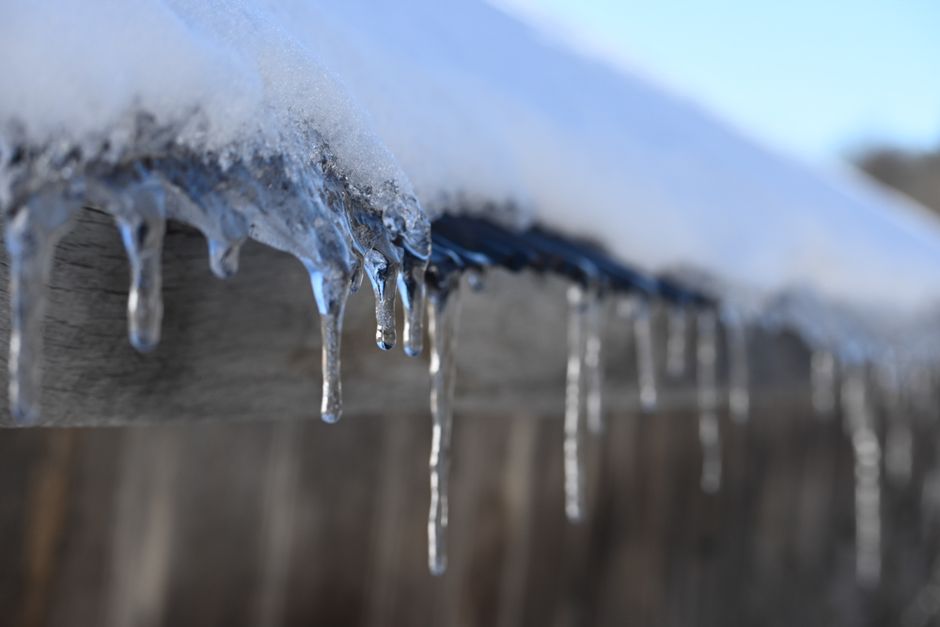
Most homeowners assume a burst pipe is the worst winter can do to their house. They’re wrong. Ice dams quietly rack up more than $1 billion in property damage across the U.S. every winter, according to the Insurance Information Institute (III), and the coverage question is genuinely more complicated than most people realize until they’re standing in a bedroom with a wet ceiling.
Here’s the part that used to make my job interesting, and not in a good way: ice dam damage sits in a coverage gray zone that insurers don’t go out of their way to explain. Your policy might cover the interior water damage but deny the roof repair. Or cover the emergency roof work but deny the insulation replacement. I’ve reviewed claims where the homeowner got a check for the drywall and nothing for the damaged attic, because those two items fell under different policy provisions with different exclusions. Two claims. One storm. One house.
Before I get into the mechanics of what’s covered and what isn’t, let’s be direct about the core issue: ice dam coverage hinges almost entirely on how your insurer classifies the damage, which category it falls into, and what your specific policy says about “gradual damage” versus “sudden and accidental” loss. The difference can be thousands of dollars.
- Ice dams cause over $1 billion in U.S. property damage annually; most policies cover interior water damage but not the ice dam itself.
- "Gradual damage" exclusions are the #1 reason ice dam claims get partially or fully denied.
- Dwelling coverage (Coverage A) handles interior water damage; roof repair coverage depends on how the damage is classified.
- Flood insurance does NOT cover ice dam damage, it's a separate peril entirely.
- Document everything before any cleanup: photos, timestamps, and a written timeline protect your claim.
What Actually Causes Ice Dams (And Why It Matters for Coverage)
An ice dam forms when heat escapes through your roof, melts the bottom layer of snow, and that water refreezes at the cold eave overhang. The pooled water backs up under shingles and eventually finds its way inside. The whole process can take 48 to 72 hours during a sustained cold snap, which is relevant because “how long did this take” is exactly the question a claims adjuster will try to answer.
Why does the timeline matter? Because most standard homeowner policies exclude “continuous or repeated seepage” of water over time. If an adjuster can argue that water infiltrated gradually over several days, they have grounds to invoke that exclusion. If the damage is sudden, say, a single night of ice backup that soaked the ceiling, you’re in much better shape.
This is not hypothetical. I personally reviewed dozens of ice dam claims where the outcome depended almost entirely on the weather records for that week, what the homeowner said in the initial phone interview, and whether a contractor’s estimate mentioned “long-term moisture damage” in the notes. One offhand phrase from a roofer can sink a claim.
The Coverage Map: What’s In, What’s Out
Helpful resource: Kidde 21005779 Pro 2.5lb ABC Fire Extinguisher is a top-rated option for this. (As an Amazon Associate this site earns from qualifying purchases.)
Standard HO-3 policies (the most common homeowner form) generally cover ice dam damage through two separate buckets:
Dwelling Coverage (Coverage A): This is where interior damage lands. Damaged drywall, ruined insulation, warped flooring, peeling paint. If water got in and damaged the structure of your home, Coverage A typically responds. The III confirms that water damage from ice dams is generally covered under this provision as a sudden and accidental loss, assuming your policy doesn’t have a specific exclusion.
Other Structures and Roof: This is where it gets messy. The ice dam itself, meaning the ice formation on your roof, is generally not covered because it’s not considered a “covered peril” the way a windstorm or fire is. The roof damage caused by ice is sometimes covered, sometimes not, depending on how the policy defines ice as a peril and whether there’s any language about “weight of ice and snow.” That specific sub-peril matters more than most homeowners know.
What’s almost never covered: the cost to remove the ice dam itself. Hiring a company to steam or chip the ice off your eaves runs $400 to $1,200 depending on roof size and severity. That’s your money, not the insurer’s.
What’s definitely not covered by standard homeowner insurance: any damage classified as flooding. Groundwater or snowmelt entering through a foundation is a flood claim, and that requires a separate NFIP or private flood policy. I don’t have good numbers on how often this confusion causes claim denials, but I’ve seen it happen more than once.
These percentages are rough industry estimates based on claim outcome data and adjuster experience, not a formal study. Actual outcomes vary by policy, insurer, and how well the claim is documented.
The “Sudden vs. Gradual” Fight You Need to Be Ready For
#1 Biggest Tip for Water Damage Claims · The Claim Squad Public Adjusters on YouTube
Let me tell you what I got wrong for the first two or three years reviewing claims: I assumed the homeowner’s account of events was the primary driver of whether damage was classified as sudden or gradual. It isn’t. The physical evidence inside the house is.
Adjusters look for tide marks, staining patterns, and mold growth. If mold is present, that’s a red flag for gradual damage, and most policies exclude mold remediation unless it directly results from a covered sudden loss. A policy might pay for water-damaged drywall but deny the mold treatment on the same wall if the mold indicates moisture sat there for two or more weeks. The gap between the storm and the claim filing matters enormously here.
A homeowner in Minnesota filed a claim in February 2025 for ceiling and wall damage after a January cold snap. By the time she filed, there was visible mold in two rooms. The insurer paid $6,200 for structural drying and drywall replacement but denied $3,800 in mold remediation, citing the gradual damage clause. She appealed, provided weather records showing the ice dam formed in a 60-hour window, and eventually recovered $2,100 of the mold costs. It took four months. The lesson: file fast, and don’t let mold develop before you report.
Policy Language That Changes Everything
| Policy Provision | What It Means | Your Risk |
|---|---|---|
| “Weight of ice, sleet, or snow” coverage | Covers structural damage from the physical weight of ice, not water infiltration | Most HO-3 policies include this; read carefully |
| “Gradual damage” exclusion | Denies claims for seepage or leakage occurring over time | Primary denial weapon against ice dam claims |
| “Freezing” coverage | Covers pipes that freeze and burst; sometimes extends to related water damage | Usually separate from ice dam provisions |
| “Fungi or mold” sublimit | Caps mold-related payouts, often at $5,000-$10,000 | Becomes critical if water sat for days |
| “Dwelling extension” or “ordinance/law” coverage | Pays to bring repairs up to current building code | Relevant if your attic insulation needs upgrading after a claim |
| ACV vs. Replacement Cost | Actual cash value deducts depreciation; replacement cost pays to rebuild/replace | A 15-year-old roof on ACV gets you far less than you expect |
That last row deserves a moment. If you have an older roof and an ACV policy, an insurer can depreciate the roof’s value to near zero and cut a check that won’t come close to covering repair costs. Your state’s insurance department website (findable through the NAIC’s state directory) can tell you whether your state has consumer protections around this.
How to Actually File and Win an Ice Dam Claim
Step one: photograph everything before any cleanup or emergency work. Roof, gutters, eaves, interior ceilings, walls, any visible water. Timestamp the photos. This takes 20 minutes and is worth potentially thousands of dollars.
Step two: call your insurer to report the claim, but don’t characterize the damage in ways you can’t support. Say “water infiltration following ice buildup on the roof during the recent storm” rather than something vaguer or something that implies long-term neglect. That phrasing matters. I’ve seen initial call transcripts pulled during disputes.
Step three: get emergency protective measures done, and save every receipt. Tarping a damaged roof, drying out wet areas, basic board-up work: these are usually covered under your policy’s “reasonable emergency measures” clause. Keep the invoices. An emergency roof tarp service typically runs $300 to $700.
Step four: get at least two contractor estimates that separate out the different damage types: roof, interior structure, insulation, mold if present. A single lump estimate is harder to work with than itemized line items that match specific policy provisions.
Step five: if you believe the claim was wrongly denied or underpaid, request a written explanation citing the specific policy language. Many partial denials don’t survive a single follow-up letter that asks the adjuster to point to the exact exclusion. If that doesn’t work, your state insurance department has a formal complaint process, and it’s free.
Prevention Is Cheaper Than the Claim Headache
Attic insulation and ventilation are the two legitimate long-term fixes. The Department of Energy recommends R-49 to R-60 insulation for most northern U.S. climates. Properly sealed and insulated attics prevent the heat loss that creates ice dams in the first place.
For the short term, roof de-icing cables (also called heat tape) can be installed along eaves for roughly $50 to $150 worth of materials for a standard home. They’re not a permanent solution and they do add to your electric bill in cold months, but they can prevent dam formation during a bad week.
A water leak sensor placed in your attic near the eaves can catch early infiltration before it becomes a ceiling collapse. Worth the $30. (The site may earn a commission on that link.) A home inventory app to document your belongings before any loss is equally worth the hour it takes to set up.
Real scenario: a homeowner in Wisconsin added $800 in blown-in attic insulation in fall 2023, bringing the attic to R-52. The following two winters, with comparable snowfall to the previous five years, produced zero ice dams. His neighbor, with the original R-19 insulation, filed a $14,000 claim last winter. That math is not subtle.
Sources
- Insurance Information Institute (III): Industry data on homeowner insurance coverage, ice dam statistics, and claim outcomes.
- National Association of Insurance Commissioners (NAIC) State Directory: State-by-state insurance department contacts for consumer complaints and policy questions.
- U.S. Department of Energy: Insulation: Recommended R-values by climate zone for attic insulation.
- Federal Emergency Management Agency (FEMA) / NFIP: National Flood Insurance Program scope and limitations (confirms ice dam damage is not a flood peril).
- ISO HO-3 Policy Form (current as of July 2026): The standard homeowner policy form used by most major U.S. insurers; specific provisions referenced in this article apply to this form.
Photo: Sara Nichole Photography via Pexels
This article is for general informational purposes only and does not constitute insurance advice. Coverage details, exclusions, and costs vary significantly by insurer, policy type, and location. Always review your policy documents and consult a licensed insurance professional for advice specific to your situation.
Recommended Resources
Disclosure: As an Amazon Associate, we earn a small commission from qualifying purchases at no extra cost to you. We only recommend products that genuinely support the topics covered in this article.
- Kidde 10-Year Battery Smoke & CO Detector (~$32), Dual smoke and carbon monoxide detector with 10-year sealed battery, no battery replacement needed for a decade.
- Ring Alarm 8-Piece Security Kit (~$199), Professional-grade DIY home security system with optional 24/7 monitoring, top way to qualify for insurance discounts.