 Diana Foster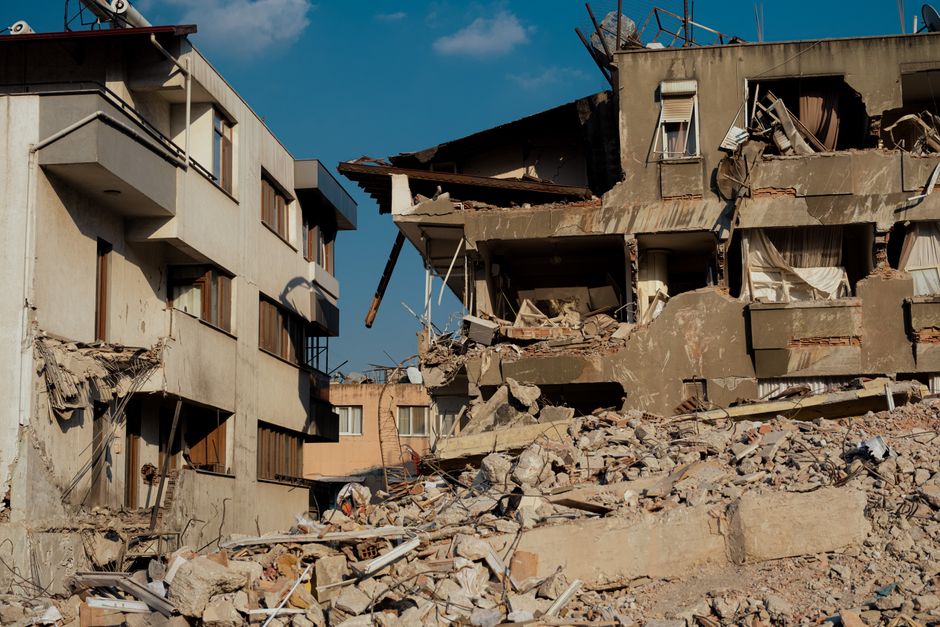
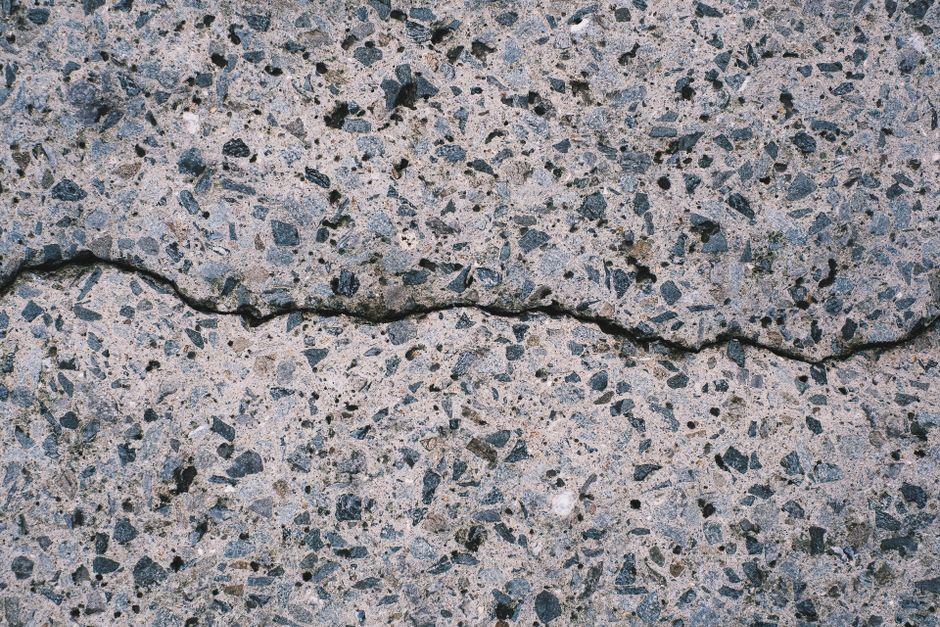
Your house just survived a 5.8-magnitude earthquake. The walls are standing, but a load-bearing chimney has collapsed, your foundation has visible cracks, and the gas line inside one wall has sheared. You call your insurance company, relieved that you’ve been paying premiums faithfully for years. Then you hear four words that will haunt you: “Earthquake damage isn’t covered.”
It happens more often than you’d think. Standard homeowners insurance policies, the kind sold by virtually every major insurer in the United States, explicitly exclude earthquake damage. It’s not buried in fine print exactly, but it’s easy to miss if no one ever explained it to you. According to the Insurance Information Institute (III), only about 10% of American homeowners carry earthquake coverage, even though damaging quakes can occur in 42 of the 50 states. That gap between who needs it and who has it ruins families financially every time a significant quake hits.
Let’s fix that knowledge gap right now.
Use these specific thresholds to determine whether earthquake insurance makes financial sense for your situation.
| Decision Factor | Consider Coverage If... | May Skip If... |
|---|---|---|
| USGS Seismic Risk Zone | Located in high or moderate risk area (peak ground acceleration >10% g) | Located in low-risk zone with <2% chance of damaging shake in 50 years |
| Home Construction Type | Unreinforced masonry, brick veneer, raised foundation, pre-1980 build | Single-story wood frame, post-1990 seismic code compliance, slab foundation |
| Mortgage Remaining | Owe more than 50% of home value; lender could demand full repayment after total loss | Home owned outright with funds to rebuild or relocate |
| Emergency Savings | Less than 6 months expenses; couldn't cover 10-20% deductible out of pocket | Liquid assets exceed typical deductible (often $15,000-$50,000) |
| Home Value vs. Land Value | Structure represents >60% of total property value | Land value dominates (e.g., $800K land, $200K structure) |
| Retrofit Status | No foundation bolting, no cripple wall bracing, original water heater strapping | Completed seismic retrofit with permit; may qualify for 5-15% premium discount |
| Annual Premium Cost | Premium is <0.5% of dwelling coverage annually | Premium exceeds 1% of coverage and deductible would consume most payout |
General information for comparison, confirm specifics for your situation.
Why Your Standard Policy Won’t Help You After an Earthquake
A standard HO-3 homeowners policy, the most common form sold in the country, covers a list of named perils for your belongings and covers the dwelling against all perils except those specifically excluded. Earthquakes are explicitly excluded. So are volcanic eruption, landslide, and earth movement broadly. That last phrase is the real killer, because insurers use “earth movement” as a catch-all that also blocks claims for damage caused by sinkholes, mudslides, and soil settling.
I spent 14 years reviewing claims. The earth movement exclusion surprised policyholders more than almost anything else I saw. People assumed that “all-risk” meant all risks. It doesn’t. If your foundation cracks because the ground shifted, the cause is excluded. Full stop.
There’s a related trap worth understanding: fire following an earthquake. If the quake ruptures a gas line and your house burns down, many standard policies will actually cover that fire, because fire is a covered peril. The cause of the fire doesn’t matter once fire becomes the proximate cause of the loss. That nuance doesn’t help you with structural, foundation, or contents damage from the shaking itself, though.
If you want to understand what your base policy actually covers, the Home Insurance Dwelling Coverage guide breaks down the structure of a standard policy in language that makes sense.
What Earthquake Insurance Actually Covers (and What It Doesn’t)
Helpful resource: Arlo Pro 4 Wireless Security Camera System is a top-rated option for this. (As an Amazon Associate this site earns from qualifying purchases.)
Earthquake coverage comes in two forms: a standalone earthquake insurance policy purchased separately, or an earthquake endorsement added to your existing homeowners policy. Either way, the coverage structure follows a similar pattern.
Dwelling coverage pays to repair or rebuild your home’s structure after earthquake damage. This includes the foundation, walls, roof, and attached structures. Most policies pay on a replacement cost basis, though you should confirm this. Actual cash value payouts after a major loss can leave a significant gap. The difference between these two valuation methods is explained in our article on home insurance replacement cost vs. actual cash value.
Personal property coverage pays to replace belongings damaged in the quake, things like furniture, electronics, and clothing. There are usually sublimits on certain categories, so read this section carefully.
Loss of use (or additional living expenses) coverage pays for hotel, meals, and other costs if your home is uninhabitable after a quake while repairs are underway.
Here’s what earthquake policies typically don’t cover:
- Vehicles (your auto insurance handles those)
- Flood or tsunami damage, even if triggered by a quake (that requires separate flood coverage)
- Masonry fences, swimming pools, or detached masonry structures in some policies
- Pre-existing damage or deferred maintenance
The exclusions vary by carrier and state, which is exactly why you need to read your declarations page and the actual policy form, not just the marketing brochure.
The Deductible Problem: This Is Where People Get Shocked
#1 Biggest Tip for Water Damage Claims · The Claim Squad Public Adjusters on YouTube
Earthquake insurance deductibles work differently than the flat deductibles on your standard homeowners policy. Instead of a fixed dollar amount like $1,000 or $2,500, earthquake deductibles are expressed as a percentage of your insured dwelling value. Common percentages range from 5% to 25%.
Run those numbers on an actual house. If your home is insured for $400,000 and your earthquake deductible is 15%, you’re absorbing the first $60,000 in damage out of pocket before your policy pays a single dollar. For moderate earthquakes that cause real but not catastrophic damage, many homeowners find themselves below that threshold and receive nothing. The insurance company keeps years of premiums and pays out zero.
This isn’t fraud. It’s just how the product is priced. Earthquake risk is highly correlated, meaning when a big quake hits, thousands of claims come in simultaneously from the same geographic area. Insurers manage that exposure with high deductibles. Knowing this going in changes how you evaluate whether the coverage makes financial sense for you.
To figure out what coverage levels you actually need, use a home insurance calculator to get a clearer picture of your dwelling’s replacement cost before you shop for earthquake riders.
Where You Live Determines Almost Everything
Seismic risk in the United States is not evenly distributed. California gets most of the headlines, and the risk there is genuinely severe. The California Earthquake Authority (CEA) is a publicly managed insurance program that provides the majority of residential earthquake policies sold in that state. If you’re a California homeowner, the CEA is likely your primary option, and its policy structure, deductibles, and exclusions deserve careful attention.
But California isn’t the only high-risk zone. The New Madrid Seismic Zone runs through Missouri, Arkansas, Tennessee, Kentucky, and Illinois, and it has produced some of the largest earthquakes in recorded North American history. The Pacific Northwest, including Oregon and Washington, faces a Cascadia Subduction Zone risk that scientists describe as potentially catastrophic. South Carolina, Nevada, Utah, and Alaska all carry significant seismic exposure.
Premium costs reflect these risk levels. A homeowner in rural Iowa may pay very little for an earthquake endorsement. The same coverage for a wood-frame house in San Francisco will cost dramatically more. In high-risk zones, annual premiums can run into the thousands of dollars before you hit a deductible that still leaves you exposed to tens of thousands in out-of-pocket costs.
Your state’s insurance department can tell you which carriers are licensed to sell earthquake coverage in your state and may publish consumer guides comparing policy options. You can find it through the NAIC’s state-by-state directory.
How to Evaluate Whether Earthquake Coverage Makes Sense for You
There’s no one right answer here. But there is a practical way to work through it.
Step 1: Know your actual risk. The U.S. Geological Survey publishes seismic hazard maps online. Look up your address. If you’re in a low-hazard zone, the math on premiums versus expected payouts may not favor buying coverage. In a moderate or high-hazard area, the calculus shifts.
Step 2: Calculate your financial exposure. What’s your home’s replacement cost? What would you realistically receive after applying a 10%, 15%, or 20% deductible? If the out-of-pocket exposure under your deductible represents a loss you could manage, coverage may be less critical. If it would be financially devastating, coverage matters more.
Step 3: Assess your home’s construction. Unreinforced masonry homes (brick, stone, concrete block without rebar reinforcement) are dramatically more vulnerable to earthquake damage than wood-frame construction. Older homes built before seismic codes existed in your area carry higher risk. A retrofitted wood-frame home in a moderate-hazard zone might not justify expensive coverage. An old brick building in a high-hazard zone almost certainly does.
Step 4: Get multiple quotes and compare the actual policy forms. Don’t compare premiums in isolation. Compare deductibles, coverage limits, what’s included in personal property coverage, and loss-of-use provisions. Cheap coverage with a 25% deductible and no loss-of-use benefit may be nearly worthless. The home insurance quotes comparison guide walks through what to look for.
Step 5: Document what you own before a disaster happens. Whatever you decide on coverage, create a home inventory. Photograph or video every room, record model and serial numbers on expensive items, and store copies off-site or in the cloud. A document safe rated for fire protects paper records. Home inventory apps like Encircle or the III’s free Know Your Stuff app can make this easier. (Disclosure: product links on this site may earn a commission.)
How to File an Earthquake Claim If You Have Coverage
If a quake damages your home and you have earthquake coverage, your first hours and days matter enormously for the eventual outcome of your claim.
Document everything before any cleanup. Take photos and video of all damage, including cracks, fallen items, structural shifts, and broken gas or water lines. Don’t throw anything away. The adjuster needs to see the damage as it was, not your cleaned-up version of it.
Contact your insurer promptly. Most policies have notification requirements. Delaying your report can give the insurer a basis to complicate or reduce your claim.
Separate your earthquake damage from any pre-existing conditions. Adjusters will look for evidence that cracks or settling existed before the quake. If you have dated photos showing your home’s prior condition, those help you immensely.
Understand the adjuster’s role. The adjuster works for the insurance company, not for you. Their job is to assess the claim accurately, but their incentives aren’t perfectly aligned with yours. If a claim is large or complex, hiring a licensed public adjuster to represent your interests is worth considering.
Know your rights to dispute the outcome. Most states give you the right to invoke an appraisal process or file a complaint with your state insurance department if you believe a claim was wrongly denied or underpaid. The homeowners insurance claim process article covers these rights in more detail.
Earthquake coverage is one of those decisions you have to make before you need it, and the window can close fast. The combination of widespread misconceptions about what standard policies cover, high percentage-based deductibles, and geographic risk that extends well beyond California creates a situation where millions of homeowners are carrying a financial exposure they don’t fully understand. Take the time to check your seismic risk, run the numbers on your dwelling’s replacement cost, and talk to a licensed insurance professional in your state before you decide. A small amount of homework now can mean the difference between recovering from a disaster and being buried by one.
Sources & References
- III, Earthquake Insurance Overview, confirms standard policies exclude earthquakes, coverage statistics
- USGS, Earthquake Hazards Program, supports seismic risk zone classifications and probability data
- CEA, California Earthquake Authority, supports state-run earthquake insurance options and coverage details
Photo: Doruk Aksel Anıl via Pexels
This article is for general informational purposes only and does not constitute insurance advice. Coverage details, exclusions, and costs vary significantly by insurer, policy type, and location. Always review your policy documents and consult a licensed insurance professional for advice specific to your situation.
Do I need earthquake insurance?
You need it if you’re in a moderate or high-risk seismic zone, your home’s replacement cost exceeds your liquid savings, or you couldn’t absorb a 15-20% deductible on your dwelling value. You may skip it if you’re in a low-hazard zone, own your home outright with substantial savings, or your home is newer wood-frame construction in a stable area.
What’s the difference between earthquake endorsement and standalone earthquake insurance?
An earthquake endorsement is added to your existing homeowners policy. A standalone earthquake insurance policy is a separate contract. Both provide similar coverage types and deductibles. Endorsements are sometimes more convenient administratively, but compare premiums and terms directly. In high-risk states like California, the CEA offers standardized options separate from your homeowners policy.
Why is the deductible a percentage instead of a flat dollar amount?
Insurance companies use percentage deductibles for earthquake coverage because the risk is correlated. When a major quake hits, thousands of homes get damaged at the same time. A percentage-based deductible spreads the cost more evenly and keeps the insurer
Recommended Resources
Disclosure: As an Amazon Associate, we earn a small commission from qualifying purchases at no extra cost to you. We only recommend products that genuinely support the topics covered in this article.
- Kidde 10-Year Battery Smoke & CO Detector (~$32), Dual smoke and carbon monoxide detector with 10-year sealed battery, no battery replacement needed for a decade.
- Ring Alarm 8-Piece Security Kit (~$199), Professional-grade DIY home security system with optional 24/7 monitoring, top way to qualify for insurance discounts.