 Laura Martinez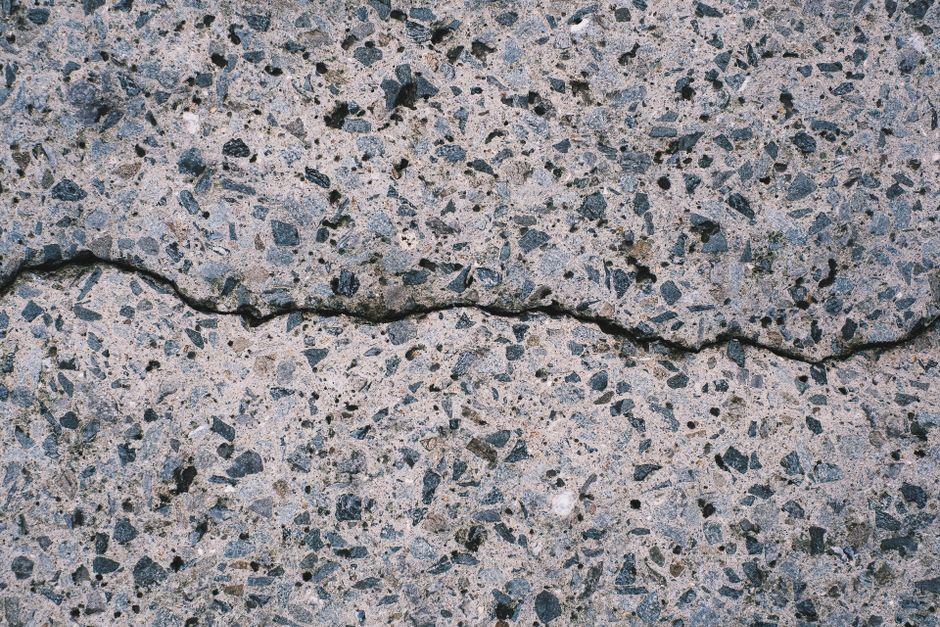
Most homeowners assume their insurance policy covers foundation repair. Most homeowners are wrong, and the average cost of finding out the hard way is somewhere between $5,000 and $100,000, depending on how bad things have gotten.
That number isn’t invented. The Foundation Repair Association estimates that foundation repair in the U.S. costs homeowners between $2,000 on the low end to well over $100,000 for full replacement and stabilization on expansive clay soils. The median repair lands around $4,500 to $7,000 for pier installation or crack injection, but serious structural failure in states like Texas or Oklahoma can blow past $50,000 without blinking. And the policy sitting in your email inbox, the one you paid $1,847 a year for? It almost certainly won’t touch it.
Here’s what actually determines coverage, and how to read your policy before you need it.
- Standard homeowner policies almost never cover foundation settling, soil movement, or gradual cracking.
- Sudden, accidental events (burst pipe flooding a foundation, fire, vehicle impact) may trigger coverage, but the bar is high.
- Earth movement exclusions are near-universal; they apply even without an earthquake.
- Separate flood insurance (NFIP or private) is required for water-driven foundation damage.
- A professional structural assessment before filing a claim can be the difference between $0 and full payment.
Why the Default Answer Is No
Standard homeowner policies are built around one core concept: sudden and accidental damage. A pipe bursts, a tree falls through your roof, a fire destroys your kitchen. Those are insurable events. Foundation damage almost never looks like that.
The Insurance Information Institute confirms that earth movement, including settling, shrinkage, and expansion of soil, is a standard exclusion across virtually all HO-3 policies, which is the most common form in the country. The NAIC tracks complaint data by category, and disputes over foundation and structural claim denials consistently rank among the top complaint types in states with clay-heavy soils.
What this means practically: if your foundation is cracking because your house is 35 years old and the soil has been expanding and contracting through 35 summers, you’re paying out of pocket. If the crack developed over two years and you just noticed it, still out of pocket. Insurers don’t care that you just discovered the problem. They care when the problem started, and “gradual deterioration” is a denial in writing.
I reviewed hundreds of foundation-related claims during my time adjusting. The denial letter almost always cited one of three exclusions: earth movement, settling/shrinkage/expansion, or lack of maintenance. Sometimes all three. A policyholder who’d paid premiums for 22 years would open that letter and feel genuinely betrayed. And honestly, that anger was justified, because nobody explained these exclusions when the policy was sold.
When Coverage Actually Applies
Helpful resource: Honeywell 1104 Fireproof and Waterproof Safe Box is a top-rated option for this. (As an Amazon Associate this site earns from qualifying purchases.)
It does happen. Rarely, but it happens, and knowing the exact scenarios matters.
Sudden water damage. If a supply line under your slab bursts and the resulting water intrusion undermines your foundation, some policies will cover it. The key word is “sudden.” A slow leak that went undetected for a year doesn’t qualify. A pipe that catastrophically failed last Tuesday might. You’ll need a plumber’s report establishing the failure date, and you’ll want a structural engineer’s assessment showing the water event caused the foundation movement, not pre-existing soil conditions.
Scenario: Homeowner in Atlanta discovers a burst supply line under her slab after noticing significant floor tilt over a weekend. She calls a plumber first, gets a written report documenting acute pipe failure. Files claim with structural engineer letter linking the water event to three inches of differential settlement. Result: insurer pays $38,400 for slab lifting, pier installation, and plumbing repair under the water damage provision. Had she waited three months before filing, same claim would almost certainly have been denied as gradual.
Fire or explosion. If fire damage compromises a structural element that then affects the foundation, that typically falls under fire coverage. Rare, but clean coverage when it happens.
Vehicle or aircraft impact. A car drives into your garage and damages a load-bearing wall that transfers stress to the foundation. Covered under most policies. Bizarre, but it’s in the forms.
Collapse. This one’s worth reading carefully. Many policies include a “collapse” provision that covers sudden structural failure caused by specific perils: hidden insect damage, weight of ice or snow, certain construction defects. The definition of “collapse” matters enormously here. Some policies require the structure to actually fall down. Others define collapse as “substantial structural impairment.” Get the definition in writing before you assume you’re covered.
The Flood and Earthquake Problem
Two enormous coverage gaps live here, and they catch people completely unprepared.
Standard HO-3 policies exclude flood damage. Period. If your basement foundation is cracking because water is saturating the soil around it after repeated flood events, you’re looking at NFIP (National Flood Insurance Program) territory, or a private flood policy. NFIP coverage for building damage tops out at $250,000 as of this year, which sounds like a lot until your foundation repair quote comes in at $180,000 and you realize the adjuster is allocating only a portion to the foundation itself.
Earthquake exclusions are equally universal in standard policies. California, Oregon, Washington, and parts of the central U.S. face meaningful seismic risk, and separate earthquake insurance is the only answer. CEA (California Earthquake Authority) policies include dwelling coverage, but deductibles are typically 10-25% of the dwelling limit, meaning on a $600,000 home, you’re absorbing $60,000 to $150,000 before the policy pays anything.
What Your Policy Language Actually Says
Pull your declarations page and your full policy document. You want the HO-3 form, not the summary. Search for these specific terms.
| Policy Language | What It Means for Foundation Claims |
|---|---|
| “Earth movement” exclusion | Excludes settling, expansion, contraction, landslide, regardless of cause |
| “Settling, shrinkage, bulging, expansion” | Explicitly excludes the most common foundation failure modes |
| “Gradual deterioration” or “wear and tear” | Denies claims where damage developed over time |
| “Collapse” provision | May cover sudden structural failure, but check the definition closely |
| “Ensuing loss” clause | Critical: some policies cover damage caused by a covered peril even if the initial cause is excluded |
| “Fungi, wet rot, dry rot” exclusion | Often paired with water exclusions; can block claims where wood rot contributed to foundation movement |
That “ensuing loss” clause is genuinely important and consistently overlooked. I’ve seen it flip a denial into a paid claim. The logic: even if the underlying cause (earth movement) is excluded, if a covered peril causes additional damage, that second layer of damage may be covered. It’s not a slam dunk, but it’s worth a conversation with a public adjuster or attorney before you accept a denial.
Scenario: Homeowner in Nashville has a severe drought year that causes soil shrinkage and foundation cracking. Standard exclusion applies, claim denied. However, the foundation movement cracked the gas line running through the slab. Ensuing loss argument: the gas line damage and subsequent fire risk is a covered peril (fire/explosion) caused by the excluded earth movement. After engaging a public adjuster, insurer agreed to cover the gas line repair and interior wall damage totaling $12,200. The foundation repair itself, $21,000, remained the homeowner’s responsibility.
Not a perfect outcome. But $12,200 is better than zero.
Before You File (or Before You Need To)
Three things that make a real difference:
First, get a structural engineer’s assessment before you call your insurer. Not a foundation repair contractor, who has a financial interest in diagnosing expensive problems. An independent structural engineer (PE stamp, no sales pitch) will document what caused the damage and when. That report is your first line of defense against a denial based on “pre-existing conditions.”
Second, document your home’s condition obsessively. A home inventory isn’t just for your TV and jewelry. Photograph your foundation walls, your basement floor, any visible cracks, every year. Date the photos. If you ever need to establish that damage was sudden rather than gradual, timestamped photos from three years ago showing an intact foundation are worth more than any adjuster’s goodwill. A good home inventory app (the site may earn a commission from linked products) stores these with metadata automatically.
Third, consider a water leak sensor system if you’re on a slab. Devices like those from Flo by Moen or basic sensors near supply lines run $30 to $300 and can detect a slow leak before it becomes a catastrophic one. More importantly for insurance purposes, they create a timestamped record of when water appeared. That record can establish the sudden nature of a water event if you ever need to argue the point with a claims team.
Scenario: Homeowner in Phoenix installs a leak sensor near the main supply line in 2024. In early 2026, sensor triggers an alert, homeowner shuts off water and calls a plumber. Burst flex line is repaired for $380. Without the sensor, same leak runs undetected for six months, causes $29,000 in slab damage, and insurer denies the claim as gradual water infiltration. The $89 sensor paid for itself in a ratio that’s almost uncomfortable to calculate.
Sources
- Insurance Information Institute (III): Homeowners insurance coverage explanations, exclusions, and HO-3 policy structure
- National Association of Insurance Commissioners (NAIC): Consumer complaint data by coverage category and state regulatory guidance
- Foundation Repair Association: Industry cost data and repair methodology standards, 2026 survey
- Federal Emergency Management Agency / NFIP: National Flood Insurance Program coverage limits and building damage definitions
- California Earthquake Authority (CEA): Earthquake policy structure, deductible ranges, and dwelling coverage limits
Photo: Carsten Busch via Pexels
This article is for general informational purposes only and does not constitute insurance advice. Coverage details, exclusions, and costs vary significantly by insurer, policy type, and location. Always review your policy documents and consult a licensed insurance professional for advice specific to your situation.
Recommended Resources
Disclosure: As an Amazon Associate, we earn a small commission from qualifying purchases at no extra cost to you. We only recommend products that genuinely support the topics covered in this article.
- Kidde 10-Year Battery Smoke & CO Detector (~$32), Dual smoke and carbon monoxide detector with 10-year sealed battery, no battery replacement needed for a decade.
- Ring Alarm 8-Piece Security Kit (~$199), Professional-grade DIY home security system with optional 24/7 monitoring, top way to qualify for insurance discounts.