 Laura Martinez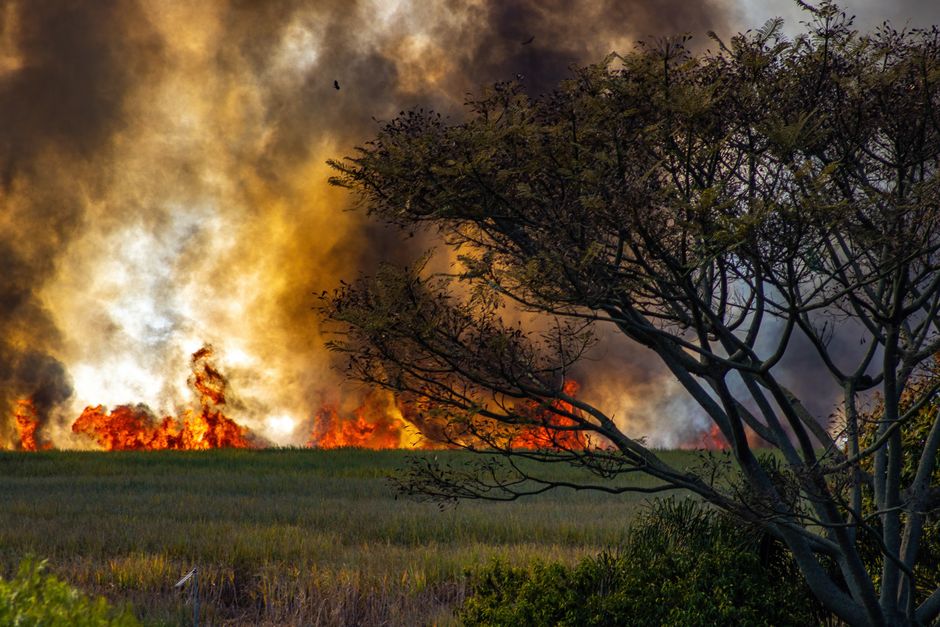
Picture this: you open your renewal notice in late June, see a number that looks like a typo, and then watch the news that same week showing your county lit up on a fire map. That’s not a hypothetical for homeowners near Pueblo right now. The Aspen Acres Fire had already consumed more than 86,000 acres by early July 2026, destroyed at least 275 homes across Pueblo and Custer counties, and earned itself the grim distinction of being the eighth-largest wildfire in Colorado history. At the same time, July 1 quietly delivered something Colorado homeowners have never had before: a legal right to see exactly how your insurer is scoring your wildfire risk, and to fight back if that score is wrong.
The timing is almost cruel in its irony. A law designed to give homeowners more power over their insurance arrived the same week that multiple carriers and even Colorado’s own FAIR Plan threw up moratoriums blocking new policy bindings within 20 to 50 miles of active blazes. If you were uninsured or shopping for coverage near any of the Snyder, Gold Mountain, Aspen Acres, Willow, Big Sheep, or Ferris fires when Governor Polis declared them disasters, you were locked out of the market at the exact moment you needed it most.
What HB 1182 Actually Does for You
I spent years watching homeowners get blindsided by premium increases that came with zero explanation. The insurer had a risk model. The homeowner had no idea what was in it. HB 1182 breaks that wall down, at least on paper.
Starting July 1, 2026, your insurer must give you a written wildfire risk score, explain the model behind it, account for any property-specific mitigation you’ve done (think Class A roofing, ember-resistant vents, defensible space), and give you a formal appeals process if you think the score is wrong. According to Premier Mountain Insurance’s breakdown of the law, this is the first time Colorado homeowners have had a legal mechanism to challenge the black-box calculations that have been quietly driving premiums for years.
What most people don’t realize is that these models often use satellite imagery and parcel data that hasn’t been updated in years. I’ve seen properties flagged as high-risk even after significant vegetation clearing, because nobody told the model. Under HB 1182, you now have standing to push back with documentation. That’s not a small thing.
The Numbers Explain Why This Fight Matters
Helpful resource: Kidde Carbon Monoxide and Propane Detector is a top-rated option for this. (As an Amazon Associate this site earns from qualifying purchases.)
Colorado premiums are already running more than $1,000 above the national average of $2,948 per year. But the averages don’t capture the real pain. One homeowner near Idaho Springs watched their renewal go from $4,677 to $34,600. That’s a 740% increase in a single cycle. Not a typo.
The Colorado Division of Insurance has done the work of breaking down what’s actually driving those costs, and the picture is more complicated than most people assume:
| Risk Factor | Share of Annual Premium |
|---|---|
| Hail damage (statewide range) | 26% to 54% |
| Wildfire risk (varies by county) | 1% to 25% |
Hail, not wildfire, is the dominant cost driver across much of the state. That matters because Colorado’s new Senate Bill 155, the Strengthen Colorado Homes Enterprise, pairs with HB 1182 in a way that’s easy to miss. SB 155 creates a grant program funded by a 0.5% fee on insurer premiums to help homeowners harden roofs against both hail and wildfire damage. If you’ve been putting off a roof upgrade because of the cost, this program deserves your attention before the grant pipeline fills up.
The Moratorium Problem Nobody’s Talking About Enough
Here’s where things get practically brutal. When an active fire is burning, carriers freeze new bindings in a radius around it. That’s standard practice. What’s different right now is the scale: six named fires declared disasters simultaneously, moratoriums stretching 20 to 50 miles out, and Colorado’s FAIR Plan, the insurer of last resort, also pausing new business in affected zones.
The FAIR Plan is supposed to be the safety net when private carriers won’t cover you. If FAIR is also closed, you have nowhere to go. As the Colorado Sun reported in its July 10 analysis of the insurance situation, homeowners in the affected counties face a genuine coverage gap that no amount of new consumer rights law can fix in the short term.
This is the part I want to be direct about: HB 1182 does not help you if you’re currently uninsured in a moratorium zone. The appeals process and risk score transparency provisions matter enormously for renewal negotiations, but they don’t override a carrier’s right to decline new business during an active fire event. If your policy is already in force, do not let it lapse right now for any reason.
How to Use the New Law Before Your Next Renewal
The practical window to benefit from HB 1182 is your next renewal negotiation, and the work starts now, not 30 days out.
Request your written risk score in writing as soon as your insurer can provide one. Compare the model’s assumptions against your actual property. Have you installed a Class A fire-rated roof? Cleared vegetation within 30 feet of the structure? Enclosed your eaves or replaced wood venting with ember-resistant screens? Document every single one of those improvements with photos, receipts, and contractor records, because the appeal process requires evidence, not assertions.
If your score seems out of date or just wrong, the formal appeal mechanism is new enough that most adjusters haven’t processed many of them yet. That’s actually an argument for moving quickly. The process will get more formalized over time. Right now, a well-documented appeal with clear before-and-after property evidence has a real chance of influencing how an underwriter looks at your file.
I’d also strongly recommend talking to an independent agent who works specifically in Colorado’s mountain and foothills markets, not a captive agent tied to one carrier. The premium variance between carriers right now is significant enough that comparison shopping isn’t optional. Given the complexity of how these new laws interact with your specific situation, consulting with a licensed insurance professional or a public adjuster who knows Colorado’s market is genuinely worth the time.
Senate Bill 155’s hardening grants are worth pursuing simultaneously. A roof upgrade that reduces your hail exposure can move you into a lower premium tier entirely, independent of your wildfire score. The Colorado Division of Insurance’s own data showing hail at 26% to 54% of premiums means a hardened roof isn’t just a safety measure; it’s a pricing lever.
The fires burning across Colorado right now are a reminder that wildfire insurance pressure isn’t a future problem for this state. It’s already here, it’s already priced in, and it’s already costing families their coverage. HB 1182 doesn’t solve that, but it does give you, for the first time, a legal foothold to make sure your insurer is at least working with accurate information about your actual property. In a market this broken, that foothold is worth using.
Sources
- As wildfires burn across Colorado, here’s an updated insurance breakdown for homeowners (July 10, 2026)
- Colorado fires reignite property insurance pressures after brief market reprieve (July 2026)
- Law to Save Coloradans Money on Property Insurance Goes Into Effect (June 2026)
- Colorado Wildfire Risk Score: What HB 1182 Means for You (Late June 2026)
- Wildfire Insurance in the West: What Colorado, Utah, and Idaho Homeowners Need to Know in 2026 (July 2026)
- Governor Polis Announces Roadmap to Reduce Homeowners Insurance (April 23, 2026)
This article is for general informational purposes only and does not constitute insurance advice. Coverage details, exclusions, and costs vary significantly by insurer, policy type, and location. Always review your policy documents and consult a licensed insurance professional for advice specific to your situation.
Recommended Resources
Disclosure: As an Amazon Associate, we earn a small commission from qualifying purchases at no extra cost to you. We only recommend products that genuinely support the topics covered in this article.
- Kidde 10-Year Battery Smoke & CO Detector (~$32), Dual smoke and carbon monoxide detector with 10-year sealed battery, no battery replacement needed for a decade.
- Ring Alarm 8-Piece Security Kit (~$199), Professional-grade DIY home security system with optional 24/7 monitoring, top way to qualify for insurance discounts.
- Kidde Hardwired Smoke & CO Detector w/ Battery Backup (~$40), Hardwired interconnected smoke and CO detector, when one alarm sounds, all alarms in the house sound.